
Barcelona Spain
First Month
Exploring Barcelona's Public Transportation System
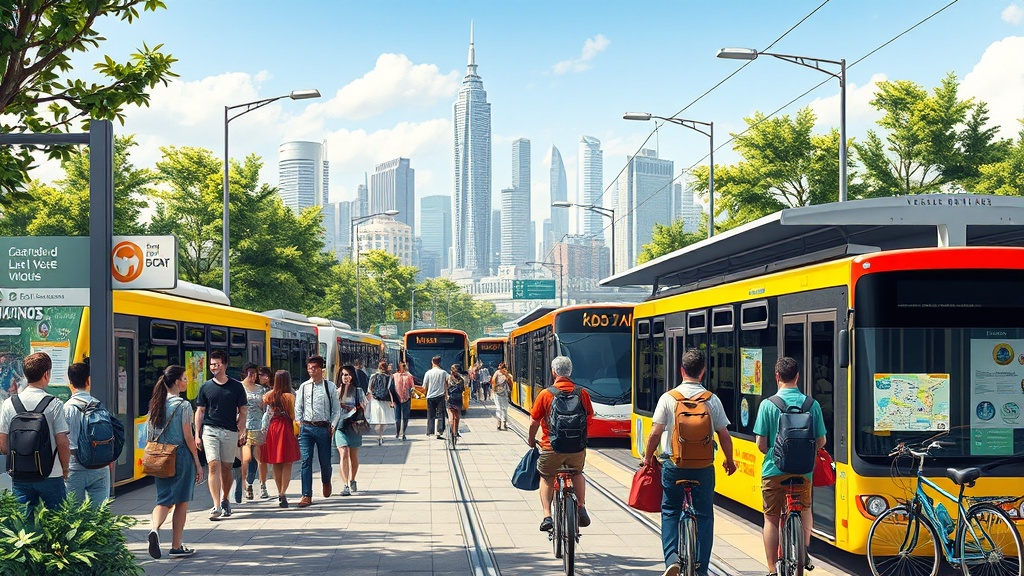
Barcelona, the vibrant capital of Catalonia, is renowned for its rich history, stunning architecture, and lively culture. To navigate this bustling city, an efficient public transportation system is at your disposal, making it easy to explore its many attractions. This article delves into the various modes of public transport available in Barcelona, including buses, the metro, and trains, along with fare structures and practical tips for daily travel.
Bus System
Barcelona boasts an extensive bus network operated by Transports Metropolitans de Barcelona (TMB). With over 100 bus lines, the service covers the entire city and its surrounding areas, providing a convenient way to reach destinations that may not be accessible by metro.
Key Features of the Bus System:
- Frequency: Buses run frequently, with most lines operating from early morning until midnight. Some night buses, known as "NitBus," operate after regular service hours.
- Accessibility: Many buses are equipped with low floors and ramps, making them accessible for individuals with reduced mobility.
- Real-Time Information: Bus stops are equipped with electronic displays that provide real-time information on arrival times.
Fare Structure:
The fare for a single bus journey is integrated with the metro and train systems, allowing for seamless transfers. Passengers can use a T-Casual ticket, which allows for 10 rides across all modes of public transport, or opt for a T-Usual ticket for unlimited travel within a 30-day period.
Metro System
The Barcelona Metro is one of the most efficient ways to traverse the city. With eight lines and over 150 stations, the metro connects key areas, including the city center, suburbs, and major attractions.
Key Features of the Metro System:
- Operating Hours: The metro operates from 5 AM to midnight on weekdays, with extended hours on weekends.
- Clean and Safe: The metro is known for its cleanliness and safety, with regular patrols and surveillance.
- Interconnectivity: The metro lines are well-connected to the bus and tram networks, facilitating easy transfers.
Fare Structure:
Similar to the bus system, the metro fare is integrated. A single journey ticket can be purchased, or passengers can choose from various multi-ride options, such as the T-Casual or T-Usual tickets. Additionally, there are special tickets for airport transfers.
Train Services
Barcelona is also served by regional and national train services, primarily operated by Renfe. These trains connect the city to nearby towns and cities, making it an excellent option for day trips.
Key Features of the Train System:
- Cercanías: The Cercanías commuter train service connects Barcelona with surrounding areas, including popular destinations like Sitges and Montserrat.
- High-Speed Trains: For longer journeys, high-speed AVE trains connect Barcelona to major cities like Madrid and Valencia, offering a fast and comfortable travel option.
Fare Structure:
Train fares vary based on the distance traveled and the type of service. Tickets can be purchased at stations or online, with discounts available for advance bookings and certain age groups.
Tips for Daily Travel
Plan Your Route: Utilize maps and apps to plan your journey in advance. Knowing your route can save time and help avoid confusion.
Purchase Tickets in Advance: To avoid queues, consider purchasing tickets at vending machines or online. Ensure you validate your ticket before boarding.
Keep an Eye on Your Belongings: While public transport is generally safe, it’s wise to remain vigilant and keep personal belongings secure.
Travel Off-Peak: If possible, travel during off-peak hours to avoid crowded conditions, especially on the metro.
Use Contactless Payment: Many transport services now accept contactless payment methods, making it easier to pay for fares without needing cash.
Stay Informed: Check for any service updates or disruptions, especially during holidays or events, to ensure a smooth travel experience.
Barcelona's public transportation system is designed to be user-friendly and efficient, making it an ideal choice for both residents and visitors. With a variety of options available, navigating the city has never been easier.