
Berlin Germany
First Month
Exploring Berlin's Public Transportation System
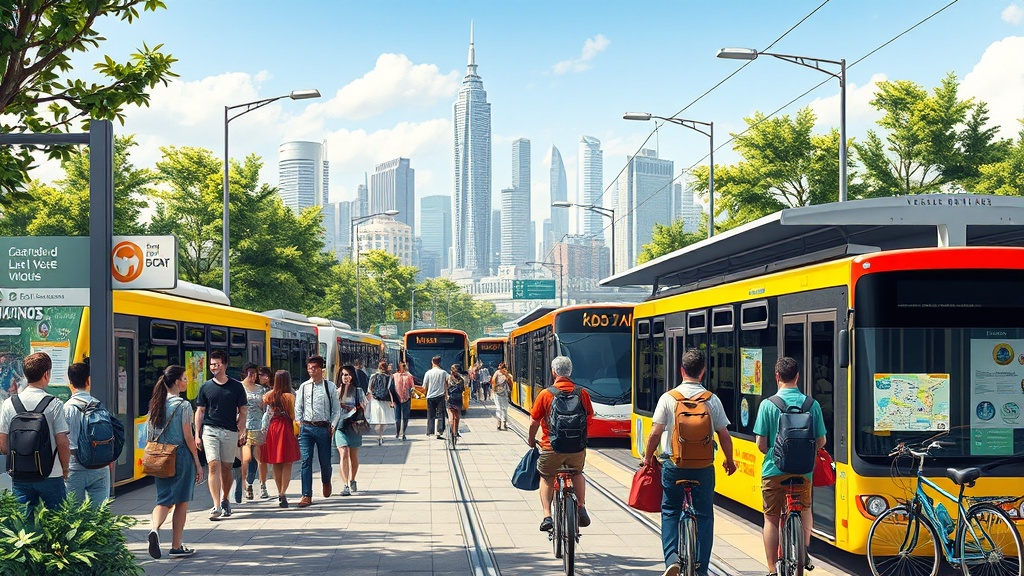
Berlin, the vibrant capital of Germany, boasts an extensive and efficient public transportation system that makes navigating the city both convenient and affordable. With a combination of buses, trams, U-Bahn (subway), and S-Bahn (commuter trains), residents and visitors alike can easily access all corners of this dynamic metropolis. This article delves into the various modes of transport available, fare structures, and essential tips for daily travel in Berlin.
Modes of Transportation
Buses
Berlin's bus network is extensive, featuring over 150 lines that cover the city and its suburbs. Buses operate frequently, especially during peak hours, and are a reliable option for reaching destinations not served by the U-Bahn or S-Bahn. Key features of the bus system include:
- Night Buses: When other forms of public transport cease operations late at night, night buses (designated with an "N" before the line number) provide essential service.
- Accessibility: Most buses are equipped with low floors and ramps, making them accessible for passengers with reduced mobility.
- Real-Time Information: Digital displays at bus stops provide real-time updates on arrival times, enhancing the travel experience.
U-Bahn (Subway)
The U-Bahn is one of the most popular modes of transport in Berlin, consisting of 10 lines that cover 146 kilometers and 173 stations. The U-Bahn operates from approximately 4:00 AM until 12:30 AM on weekdays, with extended hours on weekends. Key aspects include:
- Frequent Service: Trains run every few minutes during peak hours, ensuring minimal wait times.
- Interconnectivity: The U-Bahn connects seamlessly with other transport modes, including the S-Bahn and bus services, facilitating easy transfers.
- Clean and Safe: The U-Bahn is known for its cleanliness and safety, with regular patrols by security personnel.
S-Bahn (Commuter Train)
The S-Bahn serves as a vital link between Berlin and its surrounding regions, with 15 lines covering over 300 kilometers. It operates from early morning until around 1:00 AM, making it a convenient option for both commuters and tourists. Notable features include:
- Regional Connectivity: The S-Bahn connects Berlin to nearby cities and towns, making it an excellent choice for day trips.
- Frequent Service: Similar to the U-Bahn, S-Bahn trains run frequently, especially during peak hours.
- Integrated Ticketing: S-Bahn services are integrated with the overall public transport ticketing system, allowing for easy transfers.
Trams
Trams are primarily found in the eastern parts of Berlin and complement the bus and rail networks. The tram system consists of 22 lines, providing access to many neighborhoods and attractions. Key points include:
- Scenic Routes: Tram rides often offer a unique perspective of the city, passing through picturesque neighborhoods and historical sites.
- Frequent Service: Trams run regularly, with shorter intervals during peak times.
- Accessibility: Most trams are equipped to accommodate passengers with mobility challenges.
Fare Structure
Berlin's public transportation system operates on a zone-based fare structure, divided into three main zones: A, B, and C. Zone A covers the city center, Zone B extends to the suburbs, and Zone C includes areas further out, such as Potsdam.
Ticket Types
- Single Ticket: Valid for one journey in the selected zones. Transfers are allowed within a specific time frame.
- Day Pass: Offers unlimited travel within the selected zones for one day, making it ideal for tourists.
- Weekly and Monthly Passes: These options provide unlimited travel for a week or a month, respectively, and are cost-effective for regular commuters.
- Reduced Fare Tickets: Available for students, seniors, and individuals with disabilities, offering significant savings.
Purchasing Tickets
Tickets can be purchased at ticket machines located in stations, online, or via mobile apps. It is essential to validate your ticket before boarding, as failure to do so can result in hefty fines.
Tips for Daily Travel
- Plan Your Route: Utilize apps or maps to plan your journey in advance. Knowing your route can save time and reduce stress.
- Travel Off-Peak: If possible, travel during off-peak hours to avoid crowded trains and buses.
- Keep Your Ticket Handy: Always have your ticket accessible, as ticket inspections are common.
- Stay Aware of Announcements: Pay attention to announcements regarding service changes or delays, especially during weekends when maintenance work is often scheduled.
- Use Bicycles: Berlin is a bike-friendly city, and many public transport stations offer bike parking. Consider combining cycling with public transport for a more flexible travel experience.
Berlin's public transportation system is designed to be user-friendly and efficient, making it an excellent choice for both residents and visitors. With a little planning and awareness, navigating this bustling city can be a seamless experience.