
Birmingham United Kingdom
Seniors & Special Needs Support
Services Available to Elderly Immigrants in Birmingham, United Kingdom
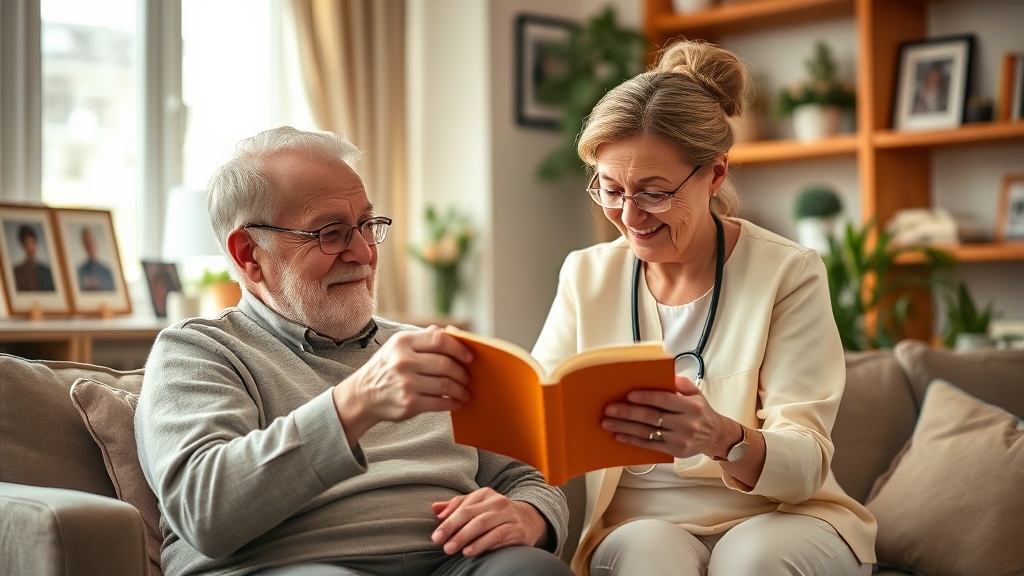
Birmingham, a vibrant and diverse city in the United Kingdom, is home to a significant population of elderly immigrants. As they navigate their later years, it is essential for these individuals to access various services that cater to their unique needs. This article explores the key services available to elderly immigrants in Birmingham, focusing on home care, support groups, and health programs.
Home Care Services
Home care services play a crucial role in supporting elderly immigrants who wish to maintain their independence while receiving assistance in their daily lives. These services are designed to provide personalized care in the comfort of one’s home, ensuring that individuals can live safely and comfortably.
Personal Care Assistance
Many elderly immigrants require help with personal care tasks such as bathing, dressing, and grooming. Trained caregivers can provide this assistance, allowing individuals to maintain their dignity and hygiene. This service is particularly beneficial for those who may have mobility issues or chronic health conditions.
Meal Preparation and Nutrition
Nutrition is vital for the health and well-being of elderly individuals. Home care services often include meal preparation, ensuring that elderly immigrants receive balanced and nutritious meals tailored to their dietary needs. Caregivers can also assist with grocery shopping, making it easier for individuals to access healthy food options.
Companionship Services
Loneliness and social isolation can significantly impact the mental health of elderly immigrants. Home care services often include companionship, where caregivers engage in conversation, participate in activities, and provide emotional support. This service helps foster a sense of community and belonging, which is essential for overall well-being.
Support Groups
Support groups offer a valuable resource for elderly immigrants, providing a platform for individuals to connect with others who share similar experiences. These groups can help combat feelings of isolation and provide emotional support.
Cultural and Language-Specific Groups
Birmingham is home to a diverse population, and many support groups cater to specific cultural and linguistic communities. These groups allow elderly immigrants to share their experiences, discuss challenges, and celebrate their heritage in a supportive environment. Language-specific groups can also help individuals communicate more effectively and feel more at home.
Mental Health Support
Mental health is a critical aspect of overall well-being, especially for elderly immigrants who may face unique challenges such as cultural adjustment and loss of family connections. Support groups focused on mental health provide a safe space for individuals to discuss their feelings and experiences. Trained facilitators often lead these groups, offering guidance and resources to help participants cope with their challenges.
Health Programs
Access to health programs is essential for elderly immigrants to maintain their physical and mental health. Birmingham offers various health initiatives designed to meet the needs of this demographic.
Preventive Health Services
Preventive health services, such as vaccinations and health screenings, are crucial for elderly individuals. Many community health organizations in Birmingham provide these services, ensuring that elderly immigrants have access to essential healthcare resources. Regular check-ups can help identify potential health issues early, leading to better outcomes.
Chronic Disease Management
For elderly immigrants living with chronic conditions, such as diabetes or heart disease, specialized health programs are available to help manage their health. These programs often include education on disease management, nutritional guidance, and access to healthcare professionals who can provide ongoing support.
Physical Activity and Wellness Programs
Staying active is vital for maintaining health and mobility in later years. Birmingham offers various physical activity programs tailored to the needs of elderly individuals. These programs may include gentle exercise classes, walking groups, and wellness workshops that focus on improving physical fitness and overall well-being.
By providing a range of services, Birmingham supports its elderly immigrant population in leading fulfilling and healthy lives. Access to home care, support groups, and health programs ensures that these individuals can navigate their later years with dignity and support.