
Boston USA
First Month
Exploring Boston's Public Transportation System
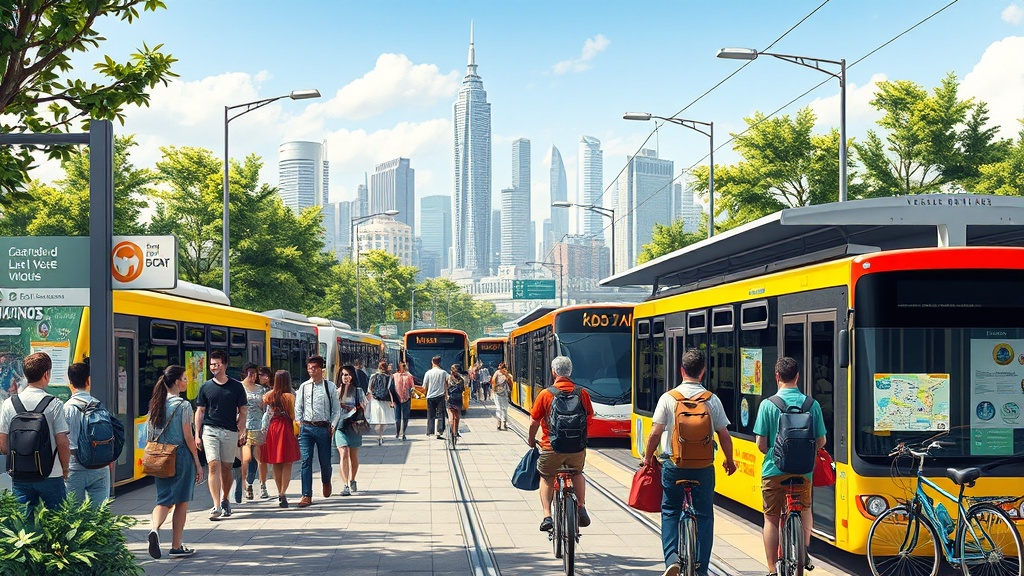
Boston, Massachusetts, is renowned for its rich history, vibrant culture, and, notably, its efficient public transportation system. Managed by the Massachusetts Bay Transportation Authority (MBTA), the public transit options in Boston include buses, the subway (known as the "T"), and commuter rail services. This article delves into the various modes of transportation available, fare structures, and practical tips for navigating the city.
The Subway: The T
The subway system, commonly referred to as the "T," is the backbone of Boston's public transportation. It consists of four main lines, each identified by a color:
- Red Line: Runs from Alewife in the north to Ashmont/Braintree in the south.
- Orange Line: Connects North Station to Forest Hills.
- Blue Line: Extends from Bowdoin to Wonderland.
- Green Line: A light rail system that runs from Government Center to Riverside, with several branches.
Operating Hours
The T operates from approximately 5:30 AM to 12:30 AM on weekdays, with extended hours on weekends. However, schedules may vary, so it’s advisable to check the latest updates.
Accessibility
Most T stations are equipped with elevators and ramps, making them accessible for individuals with disabilities. Additionally, the MBTA provides services for those who require assistance, including the RIDE program, which offers paratransit services.
Buses
Boston's bus network complements the subway system, providing extensive coverage throughout the city and surrounding areas. The bus routes are numbered and often connect with subway stations, making transfers seamless.
Bus Features
- Frequency: Many bus routes operate frequently, especially during peak hours.
- Accessibility: All buses are equipped with wheelchair lifts and designated seating for individuals with disabilities.
- Real-Time Tracking: Passengers can track bus arrivals in real-time through various mobile applications.
Commuter Rail
For those traveling to and from the suburbs, the MBTA's commuter rail service is an excellent option. The commuter rail connects Boston with surrounding towns and cities, including Worcester, Lowell, and Fitchburg.
Zones and Fares
The commuter rail operates on a zone-based fare system, with prices varying depending on the distance traveled. Passengers can purchase tickets for single rides, round trips, or monthly passes, which offer significant savings for regular commuters.
Fare Structure
The MBTA employs a unified fare system across its services, making it easy for passengers to navigate costs.
CharlieCard and CharlieTicket
- CharlieCard: A reusable, plastic smart card that can be loaded with stored value or monthly passes. It offers discounted fares compared to single-ride tickets.
- CharlieTicket: A paper ticket that can be purchased for single rides or day passes.
Fare Prices
- Subway: A single ride costs $2.40 with a CharlieCard and $2.90 with a CharlieTicket.
- Bus: A single ride is $1.70 with a CharlieCard and $2.00 with a CharlieTicket.
- Commuter Rail: Fares vary by zone, with prices starting around $2.50 for short trips and increasing based on distance.
Discounts
The MBTA offers discounted fares for seniors, students, and individuals with disabilities. Monthly passes are also available at reduced rates for frequent travelers.
Tips for Daily Travel
Plan Ahead: Utilize the MBTA's trip planner tools and mobile apps to find the best routes and schedules for your journey.
Avoid Rush Hour: If possible, travel outside of peak hours (7 AM - 9 AM and 4 PM - 6 PM) to enjoy a more comfortable ride.
Stay Informed: Keep an eye on service alerts and updates, especially during inclement weather or maintenance work.
Keep Your Fare Card Handy: Always have your CharlieCard or CharlieTicket ready to avoid delays when boarding.
Respect the Rules: Follow the MBTA's guidelines, including no eating or drinking on the subway and giving up seats for those in need.
Explore the Connections: Take advantage of the interconnectedness of the T, buses, and commuter rail to expand your travel options throughout the Greater Boston area.
Boston's public transportation system is designed to be user-friendly and efficient, making it an ideal choice for both residents and visitors. With a variety of options available, navigating the city is convenient and accessible for everyone.