
Brussels Belgium
First Month
Public Transportation System in Brussels, Belgium
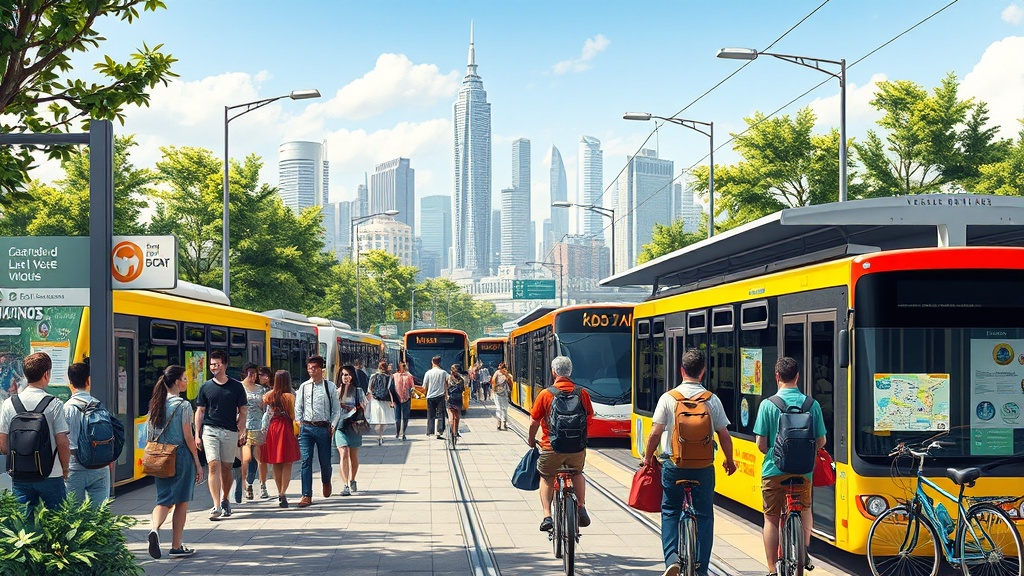
Brussels, the capital of Belgium and the European Union, boasts a comprehensive public transportation system that includes buses, trams, and metro services, as well as regional trains. This extensive network makes it easy for residents and visitors alike to navigate the city and its surroundings efficiently.
Overview of the Public Transportation Network
The public transportation in Brussels is managed primarily by the Brussels Intercommunal Transport Company (STIB/MIVB) for urban transport, while the National Railway Company of Belgium (SNCB/NMBS) operates regional and intercity trains. The integration of these services allows for seamless travel across the city and beyond.
Metro System
The Brussels Metro is a rapid transit system that consists of four lines: Line 1, Line 2, Line 5, and Line 6. The metro covers a significant portion of the city, connecting key areas and attractions.
- Frequency: Trains run frequently, especially during peak hours, with intervals of about 4 to 8 minutes.
- Operating Hours: The metro operates from approximately 5:30 AM until midnight on weekdays, with extended hours on weekends.
Tram Services
Brussels has an extensive tram network that complements the metro system. The tram lines connect various neighborhoods and provide access to areas not served by the metro.
- Frequency: Trams typically run every 6 to 10 minutes during peak hours.
- Operating Hours: Similar to the metro, trams operate from early morning until midnight, with some lines offering night services.
Bus Network
The bus network in Brussels is extensive, covering areas that are not accessible by metro or tram. Buses are a vital part of the public transport system, providing connections to residential areas, schools, and commercial districts.
- Frequency: Bus services vary, with peak hour frequencies ranging from 5 to 15 minutes.
- Operating Hours: Buses generally operate from around 5:30 AM to midnight, with some lines offering night services.
Regional Trains
For those looking to travel beyond Brussels, the regional train services operated by SNCB/NMBS provide connections to nearby cities and towns. The main train station in Brussels is Brussels Central, which is conveniently located in the city center.
- Frequency: Trains to major destinations run frequently throughout the day.
- Operating Hours: Train services typically start around 5:00 AM and run until midnight, with some variations depending on the route.
Fare Structure
Brussels employs a unified fare system across its public transportation network. The fare structure is designed to be simple and user-friendly, catering to both occasional travelers and daily commuters.
Ticket Options
- Single Journey Ticket: Valid for one journey on any mode of transport (bus, tram, or metro) within the Brussels region. Transfers are allowed within a 60-minute window.
- Multi-journey Ticket: Offers a discount for purchasing multiple journeys at once. This ticket is ideal for frequent travelers.
- Day Pass: Provides unlimited travel for one day on all STIB/MIVB services. This option is perfect for tourists or those planning to explore the city extensively.
- Monthly and Annual Passes: For regular commuters, monthly and annual passes offer significant savings and convenience.
Payment Methods
Tickets can be purchased at vending machines located in metro stations, tram stops, and bus terminals. Additionally, tickets can be bought on board buses and trams, although this may incur a small surcharge. Contactless payment options are also available at many vending machines.
Tips for Daily Travel
Plan Your Route: Utilize the STIB/MIVB journey planner to find the best routes and connections. This tool can help you navigate the system efficiently.
Validate Your Ticket: Always validate your ticket before boarding. Failure to do so may result in fines.
Travel Off-Peak: If possible, travel during off-peak hours to avoid crowded vehicles and enjoy a more comfortable journey.
Stay Informed: Keep an eye on service updates and potential disruptions, especially during weekends or holidays when maintenance work may occur.
Use the Night Bus: If you plan to stay out late, consider using the night bus services, which operate on select routes after midnight.
Safety First: While Brussels is generally safe, remain vigilant, especially in crowded areas and on public transport. Keep your belongings secure and be aware of your surroundings.
Language: While many staff members speak English, knowing a few basic phrases in French or Dutch can enhance your travel experience.
Brussels' public transportation system is designed to be accessible, efficient, and user-friendly, making it an excellent option for both residents and visitors to explore the city and its surroundings.