
Budapest Hungary
First Month
Public Transportation System in Budapest, Hungary
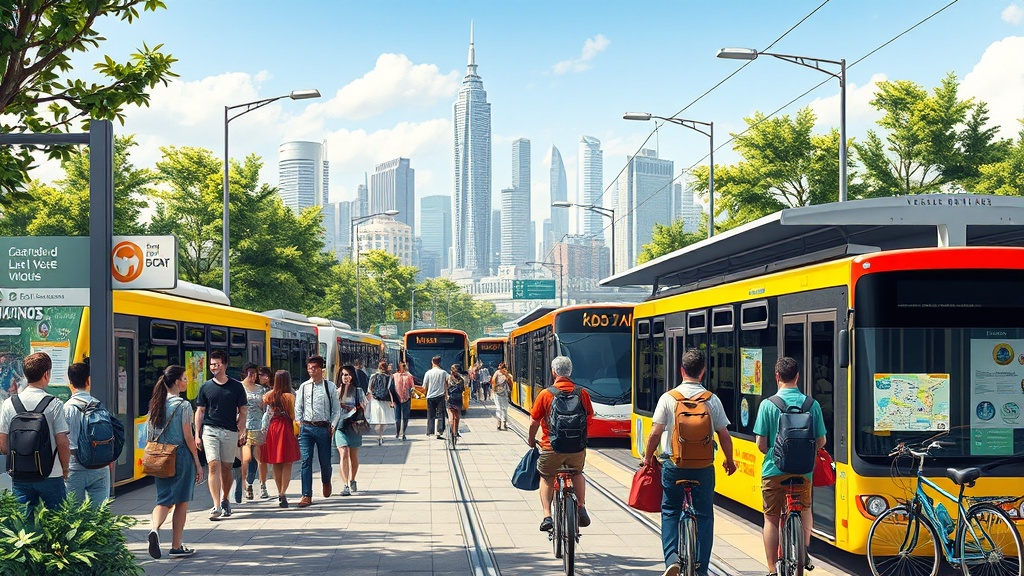
Budapest, the vibrant capital of Hungary, boasts a comprehensive and efficient public transportation system that makes navigating the city both convenient and affordable. The system includes buses, trams, and a metro network, along with suburban trains that connect the city to its outskirts. This article provides an in-depth look at the various modes of transport available, fare structures, and practical tips for daily travel in Budapest.
Modes of Transportation
Metro
The Budapest Metro is one of the oldest in the world, with its first line (Line 1) opening in 1896. The metro system consists of four lines:
- Line 1 (Yellow Line): Runs from Vörösmarty tér to Mexikói út, passing through key areas such as Deák Ferenc tér and Oktogon.
- Line 2 (Red Line): Connects Déli pályaudvar to Örs vezér tere, serving important locations like the Parliament and the Keleti Railway Station.
- Line 3 (Blue Line): Extends from Újpest-Központ to Kőbánya-Kispest, providing access to various neighborhoods and commercial areas.
- Line 4 (Green Line): A newer addition, it runs from Keleti pályaudvar to Kelenföld, linking several districts.
The metro operates from approximately 4:30 AM until 11:00 PM, with extended hours on weekends. Trains run every 2-5 minutes during peak hours.
Buses
Budapest's bus network is extensive, with over 200 routes covering the entire city and its suburbs. Buses are a reliable option for reaching areas not serviced by the metro. They operate from early morning until late at night, with night buses available on many routes. Buses are equipped with real-time information displays, making it easier for passengers to plan their journeys.
Trams
Trams are a popular mode of transport in Budapest, known for their efficiency and coverage. The tram network includes several lines, with the most notable being Tram 4 and Tram 6, which run along the Grand Boulevard. Trams operate from around 4:30 AM until 11:00 PM, with night services available on select lines. The trams are a scenic way to explore the city, offering views of iconic landmarks along their routes.
Suburban Trains (HÉV)
The HÉV (Hungarian suburban railway) connects Budapest to its surrounding towns and suburbs. There are several lines, including those to Szentendre, Gödöllő, and Ráckeve. HÉV trains are a great option for day trips outside the city, with frequent services throughout the day.
Fare Structure
Budapest's public transportation system operates on a unified fare structure, making it easy for passengers to transfer between different modes of transport. As of October 2023, the following fare options are available:
- Single Ticket: Valid for one journey on any mode of transport (metro, bus, tram, or HÉV) for 80 minutes. Transfers are allowed within this time frame.
- Transfer Ticket: Allows for one transfer between modes of transport within 80 minutes.
- Day Pass: Unlimited travel on all public transport for 24 hours.
- Weekly and Monthly Passes: Offer unlimited travel for seven or thirty days, respectively.
- Discounted Tickets: Available for students, seniors, and children, providing reduced fares on all ticket types.
Tickets must be purchased before boarding and validated at ticket machines or on board. Failure to validate a ticket can result in fines.
Tips for Daily Travel
Plan Your Route: Utilize mobile apps or maps available at stations to plan your journey. Knowing your route in advance can save time and reduce stress.
Validate Your Ticket: Always validate your ticket before boarding. Look for validation machines at metro stations and on buses and trams.
Travel Off-Peak: If possible, travel during off-peak hours to avoid crowded vehicles, especially on the metro.
Keep Change Handy: While many ticket machines accept cards, having small change can be useful for purchasing tickets on buses or trams.
Stay Aware of Your Surroundings: Like any major city, be mindful of your belongings and surroundings, especially in crowded areas.
Use the Night Services: If you plan to stay out late, take advantage of the night bus services, which operate on many routes after regular service hours.
Explore the City by Tram: Consider taking a tram ride along the Danube River for a scenic view of the city’s landmarks.
Check for Updates: Occasionally, maintenance work may affect service. Check for any updates or changes to schedules before you travel.
Budapest's public transportation system is designed to be user-friendly and efficient, making it an excellent choice for both residents and visitors. With a little planning and awareness, navigating the city can be a seamless experience.