
Denver USA
First Month
Public Transportation System in Denver, USA
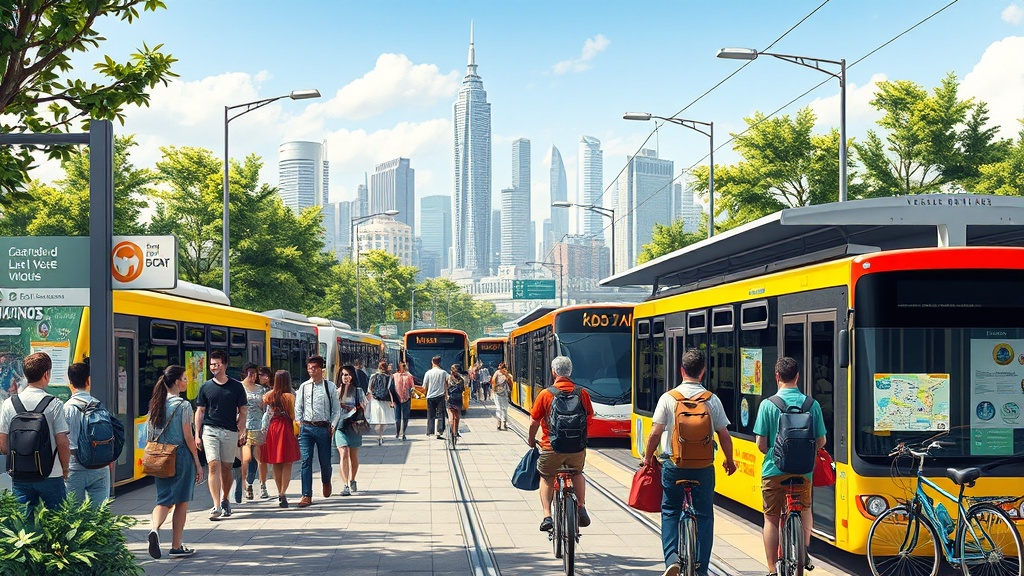
Denver, the vibrant capital of Colorado, boasts a comprehensive public transportation system designed to meet the needs of its residents and visitors. With a combination of buses, light rail, and commuter trains, the Denver public transportation network offers an efficient and eco-friendly way to navigate the city and its surrounding areas.
Bus Services
The Denver public bus system is operated by the Regional Transportation District (RTD), which provides extensive coverage throughout the city and into the suburbs.
Routes and Coverage
RTD operates over 170 bus routes, ensuring that most neighborhoods are accessible. The bus service includes local routes, express routes, and special services such as the SkyRide, which connects passengers to Denver International Airport (DEN). Buses are equipped with features such as bike racks and low-floor designs for easy access.
Frequency and Hours
Buses generally run from early morning until midnight, with frequency varying by route. Major routes may have service every 15 minutes during peak hours, while others may operate less frequently. Passengers can check schedules at bus stops or through RTD's mobile app.
Light Rail System
The light rail system in Denver is another key component of the public transportation network. It connects various neighborhoods, downtown Denver, and the surrounding suburbs.
Lines and Stations
The light rail consists of several lines, including the A, B, C, D, E, F, G, H, and L lines. These lines serve numerous stations, providing access to major destinations such as the Denver Tech Center, the University of Denver, and the historic district of LoDo (Lower Downtown).
Operation and Frequency
Light rail trains typically operate from 4:00 AM to midnight, with service every 7 to 15 minutes during peak hours. The trains are equipped with comfortable seating and provide a smooth ride, making them a popular choice for commuters and tourists alike.
Commuter Rail
In addition to buses and light rail, Denver's public transportation system includes commuter rail services that connect the city to outlying areas. The commuter rail lines are particularly useful for those traveling to and from the suburbs.
Lines and Destinations
The RTD operates several commuter rail lines, including the University of Colorado A Line, which connects downtown Denver to Denver International Airport, and the B Line, which runs to Westminster. These lines provide a convenient option for those commuting from suburban areas into the city.
Schedule and Frequency
Commuter rail services generally run from early morning until late evening, with trains operating every 15 to 30 minutes during peak times. The trains are designed for comfort and efficiency, making them an excellent choice for daily travel.
Fare Structure
The fare structure for Denver's public transportation system is designed to be straightforward and affordable.
Ticket Options
Passengers can choose from several fare options, including:
- Single Ride Tickets: Valid for a one-way trip on any bus or train.
- Day Passes: Allow unlimited travel for one day on all RTD services.
- Monthly Passes: Ideal for regular commuters, offering unlimited travel for a calendar month.
Pricing
Fares vary based on the type of service and distance traveled. As of October 2023, a single ride ticket for local service is priced at a standard rate, while express and regional services may have higher fares. Discounts are available for seniors, students, and individuals with disabilities.
Payment Methods
Passengers can purchase tickets at RTD ticket vending machines located at light rail stations, online, or through the RTD mobile app. Buses also accept cash, but exact change is required.
Tips for Daily Travel
Navigating Denver's public transportation system can be made easier with a few helpful tips:
- Plan Ahead: Use the RTD website or mobile app to check schedules and plan your route in advance. This can help you avoid long wait times and ensure a smooth journey.
- Stay Informed: Keep an eye on service alerts and updates, especially during inclement weather or special events that may affect schedules.
- Be Mindful of Peak Hours: If possible, try to travel during off-peak hours to avoid crowded buses and trains.
- Utilize Bike Racks: Many buses and light rail trains are equipped with bike racks, allowing you to combine cycling with public transportation for a more flexible commute.
- Respect Fellow Passengers: Maintain a courteous atmosphere by keeping noise levels down and offering seats to those in need.
By understanding the various options available and utilizing the fare structure effectively, residents and visitors can make the most of Denver's public transportation system.