
Detroit USA
First Month
Public Transportation System in Detroit, USA
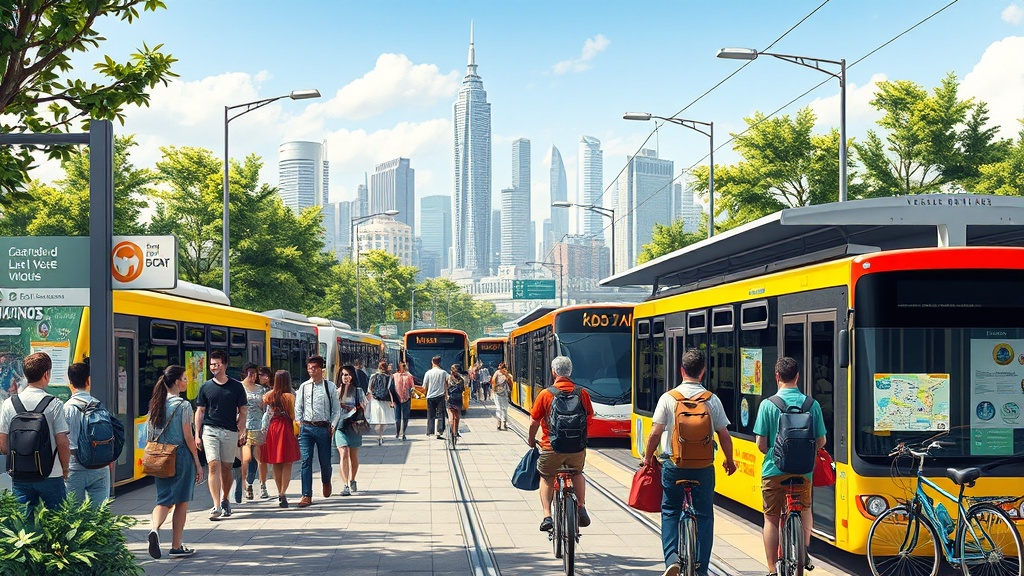
Detroit, known for its rich history and vibrant culture, offers a variety of public transportation options to help residents and visitors navigate the city efficiently. The public transportation system in Detroit primarily consists of buses, a light rail system, and commuter trains, making it easier for individuals to travel within the city and to surrounding areas.
Bus Services
The Detroit Department of Transportation (DDOT) operates the city's bus services, providing an extensive network that covers the city and some suburban areas. With over 40 bus routes, DDOT buses are a reliable option for daily commuters and those looking to explore the city.
Fare Structure
DDOT has a straightforward fare structure designed to accommodate various riders:
- Single Ride Fare: Passengers can purchase a single ride for a nominal fee, which allows for one-way travel on any DDOT bus.
- Day Pass: For those planning to make multiple trips in a day, a day pass is available, offering unlimited rides on DDOT buses for a 24-hour period.
- Monthly Pass: Regular commuters can benefit from a monthly pass, which provides unlimited rides for an entire month at a discounted rate compared to purchasing single rides.
Fares can be paid using cash or a prepaid fare card, which can be loaded with funds for convenience.
Detroit People Mover
The Detroit People Mover is an elevated light rail system that operates in a loop around downtown Detroit. This automated transit system is particularly useful for those looking to travel between key downtown destinations, including major attractions, offices, and entertainment venues.
Fare Structure
The fare for the People Mover is set at a flat rate, making it an affordable option for short trips within the downtown area. Passengers can pay their fare at the station before boarding.
SMART Bus System
In addition to DDOT, the Suburban Mobility Authority for Regional Transportation (SMART) provides bus services to the suburbs surrounding Detroit. SMART buses connect riders to various destinations, including shopping centers, schools, and employment hubs.
Fare Structure
SMART offers a similar fare structure to DDOT, with options for single rides, day passes, and monthly passes. The fares are slightly higher than those of DDOT, reflecting the extended service area and additional amenities provided.
Commuter Rail Services
For those traveling to and from Detroit from neighboring cities, the Michigan Department of Transportation operates the Amtrak service, which connects Detroit with other major cities across the state and beyond. The Amtrak station in Detroit is located near the downtown area, making it accessible for travelers.
Fare Structure
Amtrak fares vary based on the destination and time of travel. Passengers can purchase tickets online or at the station, with options for one-way and round-trip travel.
Tips for Daily Travel
Plan Your Route: Utilize transit maps and schedules available at bus stops and stations to plan your journey. Apps and online resources can also provide real-time updates on bus and train arrivals.
Be Mindful of Peak Hours: Buses and trains can become crowded during peak commuting hours, typically in the morning and late afternoon. If possible, consider traveling during off-peak times for a more comfortable experience.
Keep Exact Change: If paying with cash, it’s advisable to carry exact change for bus fares, as drivers may not provide change.
Stay Informed: Follow local transit news for updates on service changes, detours, or delays that may affect your travel plans.
Safety First: While public transportation is generally safe, it’s always wise to stay aware of your surroundings, especially during late-night travel.
Accessibility Options: Both DDOT and SMART provide services for individuals with disabilities, including accessible buses and paratransit options. Check with the respective transit authority for specific services available.
Consider Multi-Modal Travel: Combining different modes of transportation, such as buses and the People Mover, can enhance your travel experience and reduce travel time.
By understanding the public transportation options available in Detroit, riders can navigate the city with ease, whether for daily commutes or leisurely exploration.