
Hamburg Germany
First Month
Public Transportation System in Hamburg, Germany
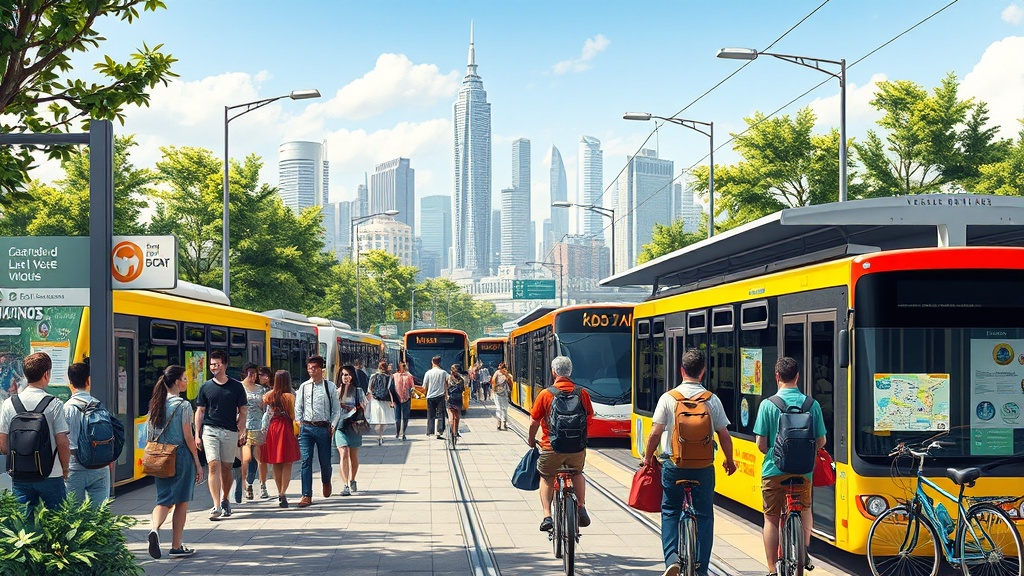
Hamburg, Germany's second-largest city, boasts a comprehensive and efficient public transportation system that makes navigating the urban landscape both convenient and accessible. The city's public transport network is operated primarily by the Hamburger Verkehrsverbund (HVV), which integrates various modes of transport, including buses, the U-Bahn (metro), and S-Bahn (suburban trains). This article provides an in-depth look at the public transportation options available in Hamburg, fare structures, and tips for daily travel.
Modes of Transportation
Buses
Hamburg's bus network is extensive, featuring over 100 lines that connect various neighborhoods, suburbs, and key points of interest throughout the city. Buses operate frequently, with many routes running every 10 to 20 minutes during peak hours. The buses are equipped with modern amenities, including low-floor access for individuals with mobility challenges.
U-Bahn (Metro)
The U-Bahn is Hamburg's underground metro system, consisting of four lines (U1, U2, U3, and U4) that cover a significant portion of the city. The U-Bahn is known for its punctuality and efficiency, with trains running every few minutes during peak times. The U-Bahn stations are well-marked and equipped with electronic displays that provide real-time information on train arrivals.
S-Bahn (Suburban Trains)
The S-Bahn complements the U-Bahn by connecting Hamburg to its surrounding regions. The S-Bahn network includes several lines (S1, S2, S3, S11, S21, S31, and others) that link the city center with suburban areas and neighboring towns. S-Bahn trains are particularly useful for commuters traveling to and from work, as they provide quick access to various districts and the Hamburg Airport.
Fare Structure
The fare system in Hamburg is based on zones, with the city divided into several fare zones (A, B, and C). The fare you pay depends on the number of zones you travel through.
Ticket Types
- Single Ticket: Valid for one journey within the selected zones. Transfers are allowed within a specified time frame.
- Day Ticket: Offers unlimited travel within the selected zones for one day. Ideal for tourists and those planning multiple trips.
- Monthly Ticket: Provides unlimited travel for a calendar month within the selected zones. This option is popular among commuters.
- Group Ticket: Allows up to five people to travel together within the selected zones for a single fare.
Ticket Purchase
Tickets can be purchased at ticket machines located in U-Bahn and S-Bahn stations, as well as on buses. Many machines accept cash and card payments. Additionally, mobile apps are available for purchasing tickets conveniently from your smartphone.
Tips for Daily Travel
Plan Your Journey: Utilize the HVV website or mobile app to plan your route. These tools provide real-time information on schedules, delays, and alternative routes.
Validate Your Ticket: If you purchase a paper ticket, ensure you validate it before boarding. Validation machines are available at U-Bahn and S-Bahn stations.
Be Mindful of Peak Hours: Public transport can be crowded during rush hours (typically 7:00 AM to 9:00 AM and 4:30 PM to 6:30 PM). If possible, travel outside these times for a more comfortable experience.
Stay Informed: Keep an eye on electronic displays at stations for updates on train and bus arrivals. Announcements are also made in both German and English.
Respect Local Etiquette: Give priority seating to those in need, such as the elderly and disabled. Keep noise levels down and refrain from eating on public transport.
Use Bicycles: Hamburg is a bike-friendly city, and many U-Bahn and S-Bahn stations offer bike parking facilities. Consider combining cycling with public transport for a more flexible travel experience.
Explore the HVV Network: Take advantage of the extensive network to explore different neighborhoods and attractions. The public transport system is designed to make it easy to reach various parts of the city.
By understanding the public transportation system in Hamburg, you can navigate the city with ease and enjoy all that this vibrant metropolis has to offer. Whether you're commuting to work, exploring the city, or visiting friends, Hamburg's public transport options provide a reliable and efficient means of travel.