
Los Angeles USA
First Month
Exploring the Public Transportation System in Los Angeles, USA
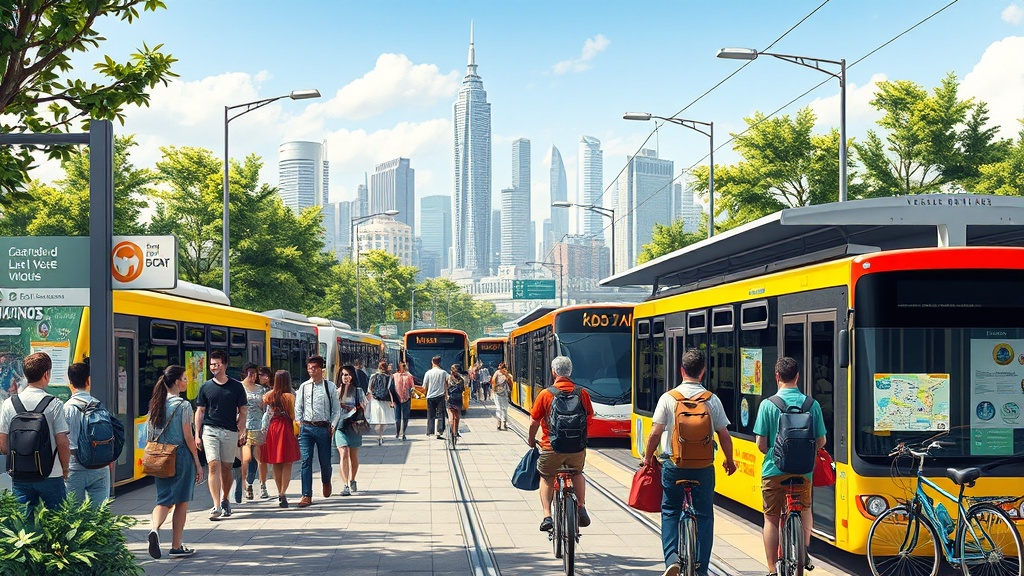
Los Angeles, known for its sprawling landscape and car-centric culture, is also home to a diverse and extensive public transportation system. Whether you`re a local or a visitor, navigating the city via bus, metro, or train can be an efficient and cost-effective way to explore the City of Angels. This guide will provide you with all the essential information about the public transportation options available in Los Angeles, including fare structures and tips for daily travel.
Overview of Public Transportation in Los Angeles
Los Angeles County Metropolitan Transportation Authority (Metro) operates the majority of public transit services in the area. The system includes buses, light rail, and subway services that connect various neighborhoods, attractions, and key destinations throughout the city.
Bus Services
The Metro Bus system is one of the largest in the United States, offering over 200 routes that cover nearly every corner of Los Angeles.
Key Features:
- Frequent Service: Many routes operate every 10-15 minutes during peak hours.
- Accessibility: Buses are equipped with wheelchair ramps and designated seating for individuals with disabilities.
- Express Buses: Metro offers express services that provide faster travel times by making fewer stops.
Popular Bus Routes:
- Line 720: This rapid bus line runs along Wilshire Boulevard, connecting downtown LA to Westwood.
- Line 4: A key route that travels from Hollywood to downtown Los Angeles.
Metro Rail System
The Metro Rail system consists of six lines: the Red Line, Purple Line, Blue Line, Expo Line, Green Line, and Gold Line. Together, they cover a significant portion of the city and provide a reliable alternative to bus travel.
Key Features:
- Subway and Light Rail: The Red and Purple Lines are subway services, while the Blue, Expo, Green, and Gold Lines are light rail.
- Interconnectivity: Many rail lines connect with bus routes, making transfers easy and convenient.
- Real-Time Updates: Metro provides real-time arrival information at stations and via their mobile app.
Notable Stations:
- Union Station: The main railway station in Los Angeles, serving as a hub for both Metro Rail and Amtrak services.
- Hollywood/Highland: A popular stop for tourists visiting the Hollywood Walk of Fame and TCL Chinese Theatre.
Train Services
In addition to the Metro Rail, Amtrak and Metrolink provide regional train services that connect Los Angeles to surrounding areas and cities.
Amtrak:
- Pacific Surfliner: Offers scenic routes along the California coast, connecting LA to San Diego and beyond.
- Cascades: Provides service to northern California and the Pacific Northwest.
Metrolink:
- Regional Commuter Service: Metrolink connects Los Angeles to surrounding counties, making it a great option for commuters traveling from places like Orange County, Riverside, and San Bernardino.
Fare Structures
Understanding the fare structure is crucial for navigating the public transportation system in Los Angeles.
Metro Fare Options:
- Single Ride: $1.75 for a one-way trip on buses and trains.
- Day Pass: $7.00 allows unlimited rides on Metro services for one day.
- 30-Day Pass: $100 for unlimited rides for 30 days.
- Reduced Fare: Available for seniors, students, and individuals with disabilities, offering a 50% discount on fares.
Payment Methods:
- TAP Card: The reusable TAP card is the most convenient way to pay for fares. You can load it with cash value or passes at vending machines located in Metro stations and select retail locations.
- Mobile Payment: Metro also offers a mobile app that allows users to purchase and store their fares digitally.
Tips for Daily Travel
Plan Your Route: Use the Metro Trip Planner on the Metro website or the mobile app to find the best routes and schedules for your journey.
Check Real-Time Updates: Stay informed about service changes and delays by checking the Metro website or using the mobile app for real-time updates.
Travel Off-Peak: If possible, travel during off-peak hours to avoid crowded buses and trains.
Stay Safe: Be aware of your surroundings, especially at night. Stick to well-lit areas and travel with a friend when possible.
Explore with a Day Pass: If you plan to make multiple trips in one day, consider purchasing a Day Pass for unlimited rides.
Use Bicycles: Many Metro stations offer bike racks and bike-sharing programs, making it easy to combine cycling with public transit.
Follow the Rules: Familiarize yourself with Metro`s rules and regulations, such as no eating or drinking on buses and trains, to ensure a pleasant experience for everyone.
By utilizing the public transportation system in Los Angeles, you can navigate the city efficiently while reducing your carbon footprint and avoiding the hassle of traffic and parking. Whether you`re commuting to work, exploring local attractions, or visiting friends, the Metro system offers a reliable and affordable way to get around.