
Madrid Spain
Seniors & Special Needs Support
Services Available to Elderly Immigrants in Madrid, Spain
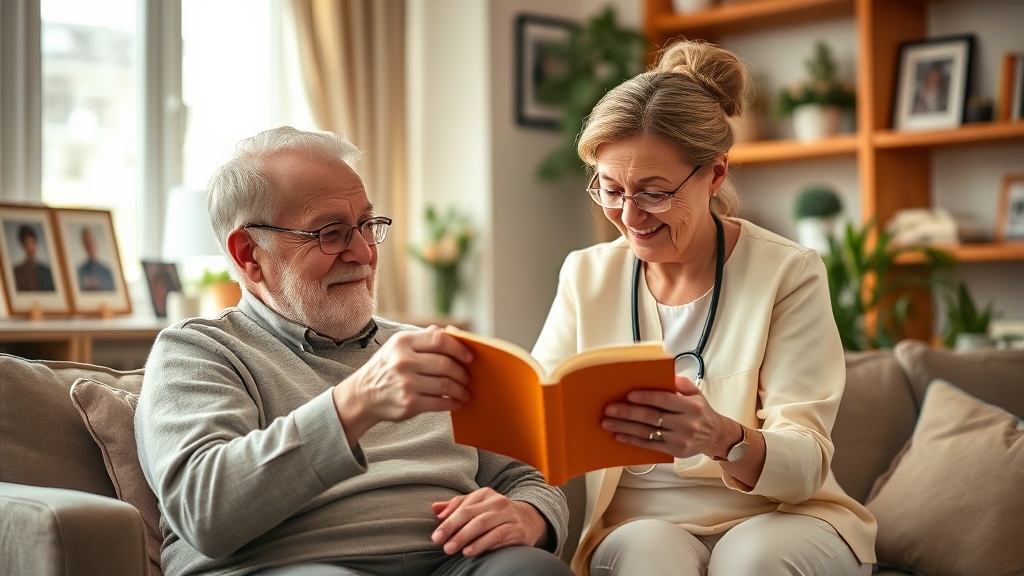
Madrid, the vibrant capital of Spain, is home to a diverse population, including a significant number of elderly immigrants. As this demographic continues to grow, various services have been established to support their unique needs. From home care to health programs, Madrid offers a range of resources designed to enhance the quality of life for elderly immigrants.
Home Care Services
Home care services in Madrid are essential for elderly immigrants who may require assistance with daily activities. These services typically include personal care, meal preparation, and companionship. Many organizations provide trained caregivers who can visit the homes of elderly individuals, ensuring they receive the support they need while maintaining their independence.
In addition to personal care, some home care services offer specialized support for those with chronic illnesses or disabilities. This can include medication management, physical therapy, and rehabilitation services. The goal is to create a comfortable and safe living environment for elderly immigrants, allowing them to age in place.
Support Groups
Support groups play a crucial role in the well-being of elderly immigrants in Madrid. These groups provide a safe space for individuals to share their experiences, challenges, and successes. They often focus on various topics, including cultural adaptation, mental health, and social integration.
Many support groups are organized by community organizations, non-profits, or local government initiatives. They may offer activities such as workshops, social events, and educational sessions that promote social interaction and community engagement. By participating in these groups, elderly immigrants can build a support network, reduce feelings of isolation, and enhance their overall mental health.
Health Programs
Access to healthcare is a fundamental concern for elderly immigrants. In Madrid, various health programs are available to ensure that this population receives the medical attention they need. Public health services provide comprehensive care, including preventive services, routine check-ups, and specialized treatments.
Elderly immigrants can benefit from programs that focus on chronic disease management, mental health support, and nutritional counseling. Many health initiatives also offer language assistance to help non-Spanish speakers navigate the healthcare system effectively. This ensures that elderly immigrants can communicate their needs and receive appropriate care.
Additionally, some organizations provide health education workshops that cover topics such as healthy living, disease prevention, and medication management. These programs empower elderly immigrants to take charge of their health and make informed decisions.
Cultural and Recreational Activities
Cultural and recreational activities are vital for the social integration of elderly immigrants in Madrid. Various community centers and organizations offer programs that celebrate cultural diversity while promoting social interaction. Activities may include art classes, dance sessions, and cultural festivals that allow elderly immigrants to connect with their heritage and share it with others.
These programs not only provide entertainment but also foster a sense of belonging and community. Engaging in cultural and recreational activities can significantly improve the mental and emotional well-being of elderly immigrants, helping them to feel more connected to their new home.
Language and Integration Programs
Language barriers can pose significant challenges for elderly immigrants in Madrid. To address this, several organizations offer language classes specifically designed for seniors. These programs focus on practical language skills that enable elderly immigrants to communicate effectively in their daily lives.
In addition to language classes, integration programs are available to help elderly immigrants navigate the complexities of living in a new country. These programs often include information on legal rights, social services, and community resources, ensuring that elderly immigrants are well-informed and can access the support they need.
By participating in these language and integration programs, elderly immigrants can enhance their communication skills, build confidence, and foster connections within the community.
Transportation Services
Transportation can be a significant barrier for elderly immigrants, particularly those with mobility issues. In Madrid, various transportation services cater to the needs of elderly individuals, ensuring they can access essential services, social activities, and healthcare appointments.
Some organizations offer specialized transport services that provide door-to-door assistance for elderly immigrants. These services are designed to accommodate individuals with limited mobility, ensuring they can travel safely and comfortably. Additionally, public transportation in Madrid is equipped with facilities to assist elderly passengers, making it easier for them to navigate the city.
By providing accessible transportation options, Madrid helps elderly immigrants maintain their independence and stay connected to their community.