
Madrid Spain
First Month
Exploring Madrid's Public Transportation System
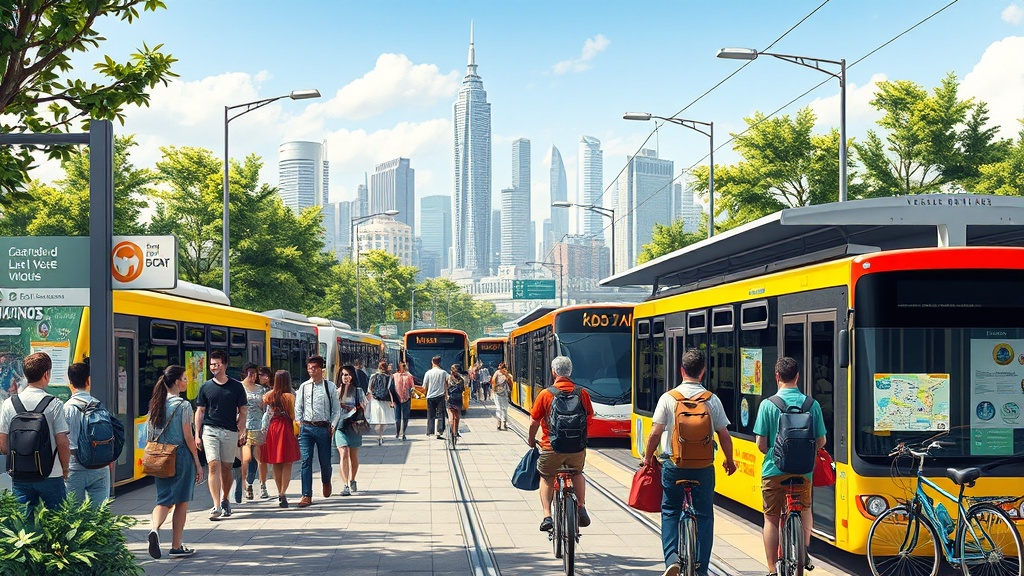
Madrid, the vibrant capital of Spain, boasts an extensive and efficient public transportation system that makes navigating the city both convenient and affordable. The system includes buses, the metro, and suburban trains, all designed to cater to the needs of residents and visitors alike. This article delves into the various modes of transport available, fare structures, and essential tips for daily travel in Madrid.
Metro
The Madrid Metro is one of the largest and most efficient metro systems in the world, featuring 12 lines that cover over 300 kilometers and more than 300 stations. The metro operates from 6:00 AM to 1:30 AM daily, making it a reliable option for both early risers and night owls.
Key Features of the Metro
- Coverage: The metro network extends throughout the city and into the suburbs, providing easy access to major attractions, neighborhoods, and business districts.
- Frequency: Trains run frequently, with intervals of 2 to 5 minutes during peak hours, ensuring minimal waiting times.
- Accessibility: Many stations are equipped with elevators and escalators, making them accessible for individuals with reduced mobility.
Fare Structure
The fare system for the metro is based on a zone system, with Madrid divided into several fare zones. Most tourist attractions are located within Zone A.
- Single Ticket: A single journey ticket within Zone A costs approximately €1.50.
- 10-Trip Ticket (Metrobús): The Multi Card allows for 10 trips and costs around €12.20, making it a cost-effective option for frequent travelers.
- Tourist Pass: For visitors, a 1, 2, 3, 5, or 7-day Tourist Pass is available, offering unlimited travel on the metro, buses, and trains within the selected duration.
Buses
Madrid's bus network complements the metro system, with over 200 lines covering the city and its outskirts. Buses operate from 6:00 AM to 11:30 PM, with some night buses available for late-night travel.
Key Features of the Bus System
- Coverage: Buses reach areas not served by the metro, providing access to neighborhoods, parks, and other attractions.
- Frequency: Buses run every 5 to 15 minutes, depending on the route and time of day.
- Real-Time Information: Most bus stops are equipped with digital displays showing real-time arrival information.
Fare Structure
The fare for bus travel is similar to that of the metro:
- Single Ticket: A single journey ticket costs approximately €1.50.
- 10-Trip Ticket (Metrobús): The same Multi Card used for the metro can be used on buses, offering 10 trips for around €12.20.
- Integrated Ticket: A single ticket allows transfers between the metro and bus within a 90-minute window.
Suburban Trains (Cercanías)
The Cercanías train service connects Madrid with surrounding towns and suburbs, making it an excellent option for those commuting to the city from nearby areas. The network consists of several lines that link major stations in Madrid with destinations such as Alcalá de Henares, Móstoles, and Getafe.
Key Features of Cercanías
- Coverage: The Cercanías network extends beyond the city limits, providing access to various regions in the Community of Madrid.
- Frequency: Trains typically run every 15 to 30 minutes, depending on the line and time of day.
- Integration: Tickets for Cercanías can be integrated with metro and bus tickets, allowing for seamless travel across different modes of transport.
Fare Structure
Cercanías fares are also based on a zone system:
- Single Ticket: Prices vary depending on the distance traveled, starting from around €1.70 for short distances.
- Multi-journey Tickets: Similar to the metro and bus, multi-journey tickets are available for frequent travelers.
Tips for Daily Travel in Madrid
- Plan Your Route: Utilize mobile apps or maps to plan your journey in advance. Knowing your route can save time and reduce stress.
- Avoid Peak Hours: If possible, travel during off-peak hours to avoid crowded trains and buses. Peak hours typically occur from 8:00 AM to 9:30 AM and 5:00 PM to 7:00 PM.
- Keep Your Ticket Handy: Always validate your ticket before boarding and keep it accessible, as ticket inspections are common.
- Stay Aware of Your Surroundings: Like any major city, be mindful of your belongings and surroundings, especially in crowded areas.
- Use the Metro for Longer Distances: For longer trips across the city, the metro is often the fastest and most efficient option.
Madrid's public transportation system is designed to be user-friendly and efficient, making it easy for anyone to explore the city. Whether you choose the metro, bus, or suburban trains, you'll find that getting around Madrid is a straightforward and enjoyable experience.