
Mexico City Mexico
First Month
Exploring the Public Transportation System in Mexico City
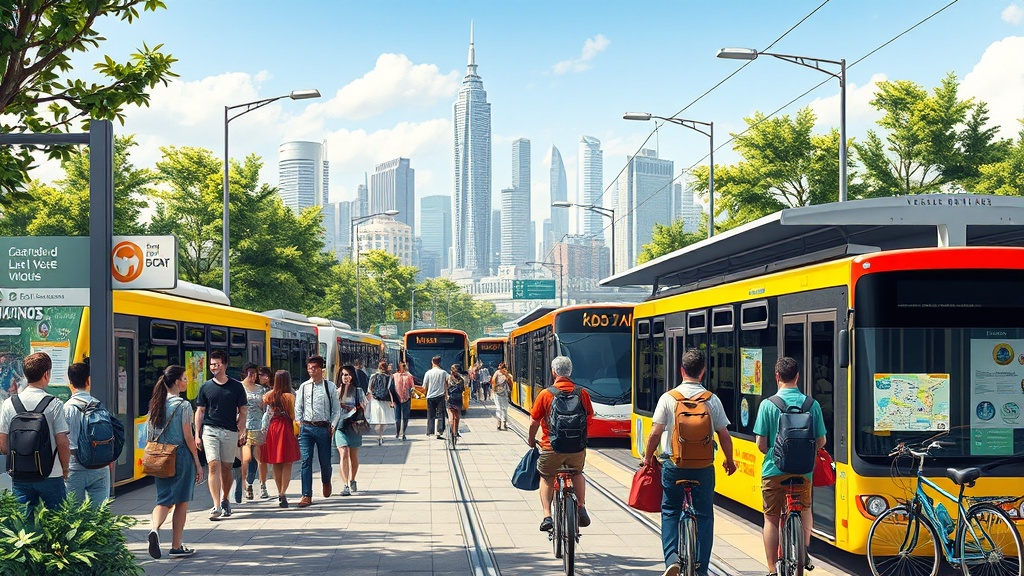
Mexico City, one of the largest and most vibrant cities in the world, boasts a comprehensive public transportation system that makes navigating its bustling streets both efficient and affordable. With a variety of options including buses, the metro, and suburban trains, residents and visitors alike can easily explore the city`s rich culture, history, and attractions. This guide will provide an in-depth look at the public transportation options available in Mexico City, including fare structures and essential tips for daily travel.
1. Metro System
Overview
The Mexico City Metro is one of the largest and most efficient subway systems in the world, consisting of 12 lines that cover over 200 kilometers and serve more than 5 million passengers daily. The metro is known for its punctuality, cleanliness, and safety, making it a popular choice for commuters and tourists.
Lines and Stations
The metro system is color-coded and numbered, with each line connecting to various neighborhoods and key points of interest. Notable lines include:
- Line 1 (Pink Line): Connects Pantitlán to Observatorio, passing through key areas like Chapultepec and the historic center.
- Line 2 (Blue Line): Runs from Tasqueña to Cuatro Caminos, linking important districts such as Coyoacán and Polanco.
- Line 3 (Olive Green Line): Connects Indios Verdes to Universidad, serving areas like Roma and Condesa.
Fare Structure
As of October 2023, the fare for a single metro ride is 5 MXN (approximately ##Body##.25 USD). Tickets can be purchased at vending machines located in each station. Additionally, there are special discounts for students, seniors, and people with disabilities.
Tips for Using the Metro
- Avoid Rush Hours: The metro can get extremely crowded during peak hours (7 AM - 9 AM and 5 PM - 8 PM). If possible, travel outside these times.
- Know Your Route: Familiarize yourself with the metro map and plan your route in advance. Apps like Google Maps can help with navigation.
- Stay Aware: Keep an eye on your belongings and be cautious of pickpockets, especially in crowded areas.
2. Bus System
Overview
Mexico City`s bus system is extensive, with thousands of buses operating across the city. Buses are a great way to reach areas not serviced by the metro and offer a more scenic view of the city.
Types of Buses
- RTP (Red de Transporte de Pasajeros): The official bus network, featuring modern buses with designated routes. RTP buses are equipped with low floors for easy access.
- Microbuses: Smaller, privately-operated buses that cover various routes. They are often faster but can be less regulated.
- Trolebuses: Electric buses that run on specific routes, providing an eco-friendly option for commuters.
Fare Structure
The fare for RTP buses is 6 MXN (approximately ##Body##.30 USD) per ride. Microbuses typically charge between 5-10 MXN depending on the distance. Trolebuses also charge 6 MXN.
Tips for Using Buses
- Check the Route: Make sure to check the bus route before boarding, as some buses may not have clear signage.
- Pay with Coins: Carry small change, as most buses do not accept larger bills or cards.
- Be Patient: Buses can be delayed due to traffic, so allow extra time for your journey.
3. Suburban Trains
Overview
The suburban train system, known as Ferrocarriles de Pasajeros, connects Mexico City with surrounding municipalities. This option is ideal for those traveling to nearby towns or suburbs.
Key Lines
- Line 1 (Pantitlán - Cuautitlán): Connects the eastern parts of the city to the northern suburbs.
- Line 2 (Tacubaya - Cuernavaca): Offers a scenic route to the picturesque town of Cuernavaca.
Fare Structure
Fares for suburban trains vary based on the distance traveled, typically ranging from 10 to 30 MXN (approximately ##Body##.50 to $1.50 USD). Tickets can be purchased at the station.
Tips for Using Suburban Trains
- Travel Off-Peak: Similar to the metro, trains can be crowded during rush hours. Traveling during off-peak times can enhance your experience.
- Check Schedules: Train schedules can vary, so it’s advisable to check the timetable in advance.
- Safety First: Always be aware of your surroundings, especially in less crowded areas.
4. General Tips for Daily Travel
- Use a Contactless Card: Consider getting a Tarjeta de Movilidad Integrada, a contactless card that can be used on the metro, RTP buses, and some suburban trains. This card simplifies fare payments and can be recharged at various locations.
- Stay Hydrated: Mexico City can be hot, especially in summer. Carry a water bottle to stay hydrated during your travels.
- Learn Basic Spanish Phrases: While many people in the city speak English, knowing a few basic Spanish phrases can enhance your travel experience and help with navigation.
- Plan Your Routes: Use apps like Moovit or Google Maps to plan your routes and check real-time schedules for public transportation.
By utilizing the extensive public transportation system in Mexico City, you can easily explore the city`s diverse neighborhoods, cultural landmarks, and culinary delights. Whether you choose the metro, buses, or suburban trains, you`ll find that getting around is both convenient and economical.