
Minneapolis Saint Paul USA
Seniors & Special Needs Support
Services Available to Elderly Immigrants in Minneapolis-Saint Paul
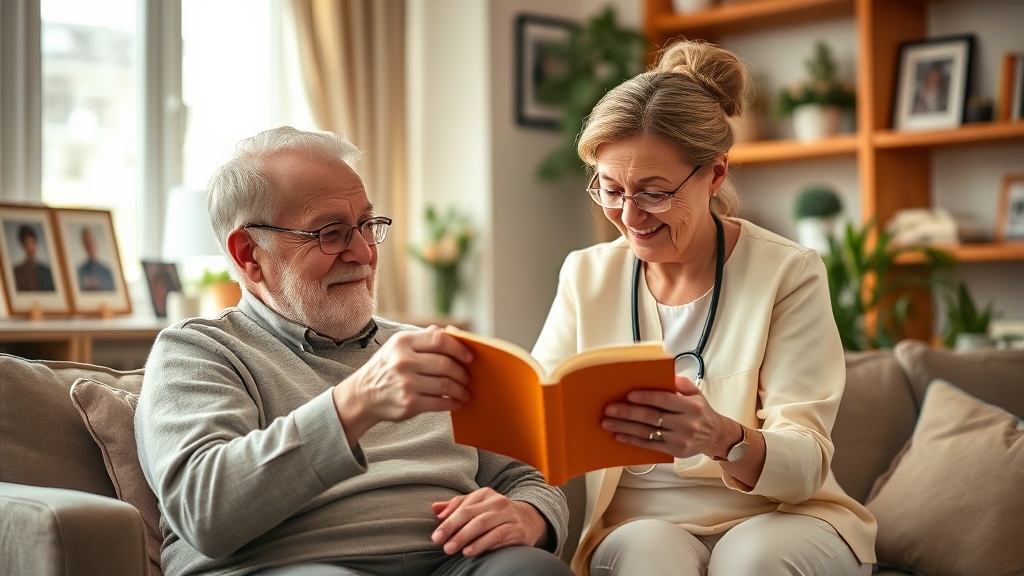
Minneapolis-Saint Paul, often referred to as the Twin Cities, is home to a diverse population, including a significant number of elderly immigrants. As these individuals navigate their later years, various services are available to support their unique needs. This article explores essential services such as home care, support groups, and health programs tailored for elderly immigrants in the Twin Cities.
Home Care Services
Home care services play a crucial role in assisting elderly immigrants who wish to maintain their independence while receiving the necessary support. These services typically include personal care, companionship, and assistance with daily activities such as meal preparation, bathing, and medication management.
Many organizations in the Twin Cities offer culturally sensitive home care options, ensuring that caregivers understand the specific needs and preferences of elderly immigrants. This can include language support, dietary considerations, and familiarity with cultural practices. By providing personalized care in a familiar environment, these services help elderly immigrants feel more comfortable and secure.
Support Groups
Support groups are vital for elderly immigrants, offering a space to connect with others who share similar experiences and challenges. These groups often focus on various topics, including cultural adjustment, mental health, and coping with the loss of loved ones.
In the Twin Cities, many community organizations facilitate support groups specifically for elderly immigrants. These groups not only provide emotional support but also serve as a resource for information about navigating local services, legal issues, and healthcare options. By fostering a sense of community, support groups help reduce feelings of isolation and promote mental well-being among elderly immigrants.
Health Programs
Access to healthcare is a significant concern for elderly immigrants, many of whom may face language barriers or unfamiliarity with the U.S. healthcare system. The Twin Cities offer a range of health programs designed to address these challenges.
These programs often include health screenings, wellness workshops, and educational seminars focused on chronic disease management, nutrition, and preventive care. Many local health organizations collaborate with community leaders to ensure that these programs are accessible and culturally relevant.
Additionally, some health programs provide translation services and bilingual staff to assist elderly immigrants in understanding their health needs and navigating the healthcare system. This support is crucial for ensuring that elderly immigrants receive the care they need to maintain their health and well-being.
Transportation Services
Transportation can be a significant barrier for elderly immigrants, particularly those who may not drive or have limited access to public transit. Various organizations in the Twin Cities offer transportation services specifically designed for elderly individuals. These services often include rides to medical appointments, grocery shopping, and social events, helping elderly immigrants stay connected to their communities and access essential services.
Legal Assistance
Navigating legal issues can be particularly daunting for elderly immigrants. Many organizations in the Twin Cities provide legal assistance tailored to the needs of this population. Services may include help with immigration status, access to benefits, and understanding rights as residents of the United States.
Legal aid organizations often offer workshops and one-on-one consultations, ensuring that elderly immigrants have the resources they need to address their legal concerns effectively.
Cultural and Recreational Activities
Engagement in cultural and recreational activities is essential for the mental and emotional well-being of elderly immigrants. The Twin Cities host a variety of programs that celebrate cultural heritage while providing opportunities for social interaction.
These activities may include art classes, dance workshops, and cultural festivals that allow elderly immigrants to connect with their roots and share their traditions with others. Participating in such activities can enhance the quality of life for elderly immigrants, fostering a sense of belonging and community.
Conclusion
Elderly immigrants in Minneapolis-Saint Paul have access to a wide range of services designed to support their unique needs. From home care and support groups to health programs and legal assistance, these resources play a vital role in helping elderly immigrants navigate their later years with dignity and support.