
Minneapolis Saint Paul USA
First Month
Public Transportation System in Minneapolis-Saint Paul, USA
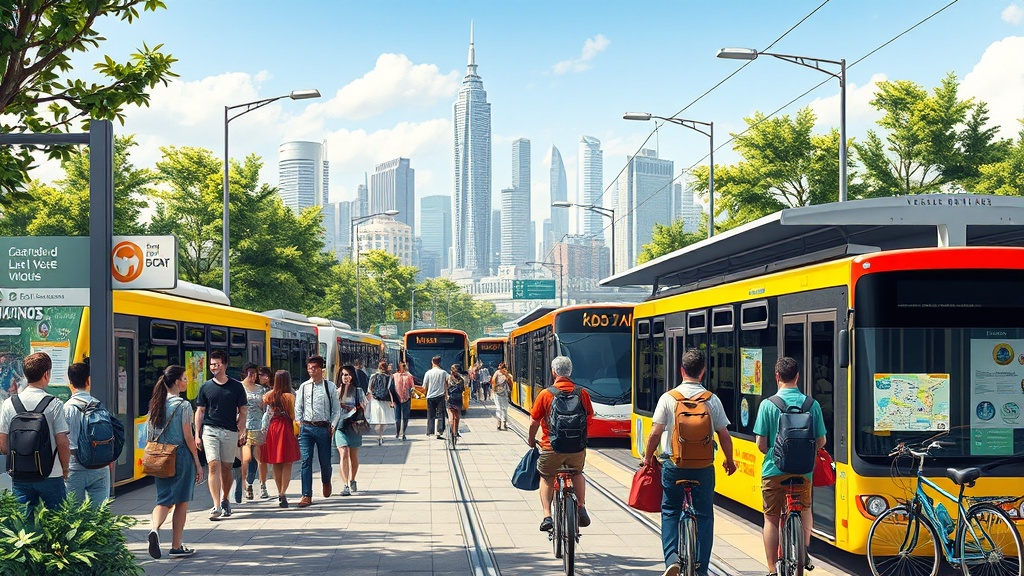
Minneapolis-Saint Paul, often referred to as the Twin Cities, boasts a comprehensive public transportation system that caters to the needs of residents and visitors alike. The system is designed to provide efficient, reliable, and affordable travel options across the metropolitan area. This article delves into the various modes of public transportation available, including buses, light rail, and commuter trains, as well as fare structures and tips for navigating the system effectively.
Bus Services
The bus network in the Twin Cities is operated by Metro Transit, which provides an extensive range of routes covering Minneapolis, Saint Paul, and surrounding suburbs. With over 100 bus routes, the system is designed to connect key neighborhoods, commercial areas, and transit hubs.
Key Features of the Bus System
- Frequent Service: Many routes offer frequent service, especially during peak hours, making it convenient for commuters.
- Accessibility: All buses are equipped with wheelchair ramps and designated spaces for passengers with disabilities.
- Real-Time Tracking: Metro Transit provides real-time tracking through mobile apps and digital displays at bus stops, allowing passengers to plan their journeys more effectively.
Fare Structure
Metro Transit employs a simple fare structure for bus services:
- Single Ride: Passengers can purchase a single ride ticket, which is valid for a specific duration.
- Day Pass: For those planning multiple trips in a day, a day pass offers unlimited rides on buses and light rail for a 24-hour period.
- Monthly Pass: Regular commuters can benefit from a monthly pass, which provides unlimited rides for a calendar month.
Discounted fares are available for seniors, students, and individuals with disabilities.
Light Rail Transit (LRT)
The Twin Cities light rail system consists of two main lines: the Blue Line and the Green Line. The Blue Line runs from the Mall of America to downtown Minneapolis, while the Green Line connects downtown Minneapolis to downtown Saint Paul.
Key Features of the Light Rail System
- Modern and Efficient: The light rail trains are modern, clean, and equipped with amenities such as air conditioning and bike racks.
- Frequent Service: Trains run frequently, especially during peak hours, ensuring minimal wait times for passengers.
- Integration with Bus Services: Light rail stations are strategically located near bus stops, facilitating seamless transfers between modes of transportation.
Fare Structure
The fare structure for light rail services mirrors that of the bus system:
- Single Ride: A single ride ticket is available for one-way travel.
- Day Pass: Unlimited rides on both light rail and bus services for a 24-hour period.
- Monthly Pass: Ideal for daily commuters, offering unlimited rides for a month.
Discounted fares apply similarly to the bus system.
Commuter Rail
In addition to buses and light rail, the Twin Cities also feature a commuter rail service known as the Northstar Line. This service connects downtown Minneapolis with the northern suburbs and is particularly popular among commuters traveling from areas like Big Lake and Elk River.
Key Features of the Commuter Rail
- Comfortable Travel: The Northstar Line offers comfortable seating and amenities such as Wi-Fi, making it a pleasant option for longer commutes.
- Limited Stops: The commuter rail has fewer stops compared to bus and light rail services, allowing for faster travel times to key destinations.
Fare Structure
The fare structure for the Northstar Line is based on distance traveled:
- Single Ride: Passengers pay based on the distance to their destination.
- Round Trip: A round trip ticket is available for those returning the same day.
- Monthly Pass: Commuters can purchase a monthly pass for unlimited rides on the Northstar Line.
Tips for Daily Travel
Navigating the public transportation system in the Twin Cities can be straightforward with a few helpful tips:
- Plan Ahead: Use the Metro Transit website or mobile app to plan your route and check schedules. Real-time updates can help you avoid long waits.
- Keep Fare Options Handy: Familiarize yourself with the fare options and consider purchasing a day or monthly pass if you plan to travel frequently.
- Stay Informed: Sign up for service alerts to stay updated on any changes or disruptions in service.
- Be Mindful of Peak Hours: Buses and trains can be crowded during peak commuting hours, so plan your travel accordingly.
- Respect the Space: Be courteous to fellow passengers by keeping noise levels down and offering seats to those in need.
The public transportation system in Minneapolis-Saint Paul is a vital resource for residents and visitors, providing a reliable and efficient means of travel throughout the metropolitan area. With a variety of options available, navigating the Twin Cities has never been easier.