
Moscow Russia
Seniors & Special Needs Support
Services Available to Elderly Immigrants in Moscow, Russia
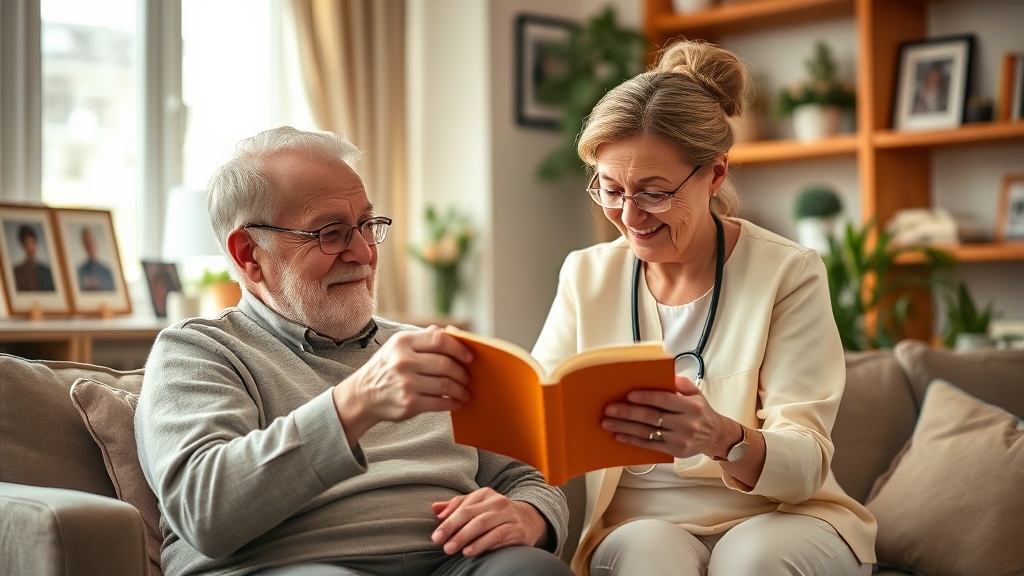
Moscow, the vibrant capital of Russia, is home to a diverse population, including a significant number of elderly immigrants. As this demographic grows, various services have emerged to support their unique needs. This article explores the essential services available to elderly immigrants in Moscow, focusing on home care, support groups, and health programs.
Home Care Services
Home care services in Moscow are designed to assist elderly immigrants who may require help with daily activities. These services often include personal care, meal preparation, and housekeeping. Trained caregivers can provide companionship and support, ensuring that elderly individuals maintain their independence while receiving the necessary assistance.
Many organizations offer tailored home care plans that cater to the specific needs of elderly immigrants. These plans can be adjusted based on the individual’s health status, cultural background, and personal preferences. Additionally, some services may offer bilingual caregivers, which can help bridge communication gaps and enhance the comfort of elderly immigrants.
Support Groups
Support groups play a crucial role in the well-being of elderly immigrants in Moscow. These groups provide a safe space for individuals to share their experiences, challenges, and successes. They foster a sense of community and belonging, which is particularly important for those who may feel isolated in a new country.
Support groups often focus on various themes, including cultural adaptation, mental health, and coping strategies for dealing with loneliness. Many groups are facilitated by professionals who understand the unique challenges faced by elderly immigrants, ensuring that participants receive appropriate guidance and support. These gatherings can also serve as a platform for sharing information about local resources and services.
Health Programs
Access to healthcare is a fundamental concern for elderly immigrants. In Moscow, several health programs are available to address the specific needs of this population. These programs often include regular health check-ups, vaccinations, and screenings for chronic conditions, which are essential for maintaining overall health.
Many healthcare facilities in Moscow offer specialized services for elderly patients, including geriatric care and rehabilitation programs. These services are designed to cater to the unique health challenges faced by older adults, ensuring they receive comprehensive and compassionate care.
Additionally, some organizations provide health education workshops that focus on nutrition, physical activity, and disease prevention. These programs aim to empower elderly immigrants with the knowledge and resources they need to lead healthier lives.
Cultural and Recreational Activities
Cultural and recreational activities are also vital for the well-being of elderly immigrants in Moscow. Various community centers and organizations offer programs that celebrate cultural heritage while promoting social interaction. Activities may include art classes, language courses, and traditional dance or music sessions, allowing elderly immigrants to connect with their roots and engage with others in the community.
These programs not only provide entertainment but also serve as a means of fostering friendships and reducing feelings of isolation. By participating in cultural and recreational activities, elderly immigrants can enhance their quality of life and build a supportive network.
Transportation Services
Transportation can be a significant barrier for elderly immigrants in accessing essential services. In Moscow, some organizations offer transportation assistance specifically for seniors. This service helps elderly individuals reach medical appointments, social gatherings, and community events, ensuring they remain active and engaged.
Transportation services may include shuttle buses or volunteer drivers who understand the needs of elderly passengers. By facilitating mobility, these services play a crucial role in helping elderly immigrants maintain their independence and access vital resources.
Language Assistance
Language barriers can pose significant challenges for elderly immigrants in Moscow. Many organizations provide language assistance services, including translation and interpretation, to help seniors navigate healthcare systems, legal matters, and social services. These services are essential for ensuring that elderly immigrants can communicate effectively and access the support they need.
Language assistance programs may also include language classes tailored for seniors, helping them improve their communication skills and integrate more fully into the community. By breaking down language barriers, these programs empower elderly immigrants to advocate for themselves and engage more actively in their new environment.