
Moscow Russia
First Month
Exploring the Public Transportation System in Moscow, Russia
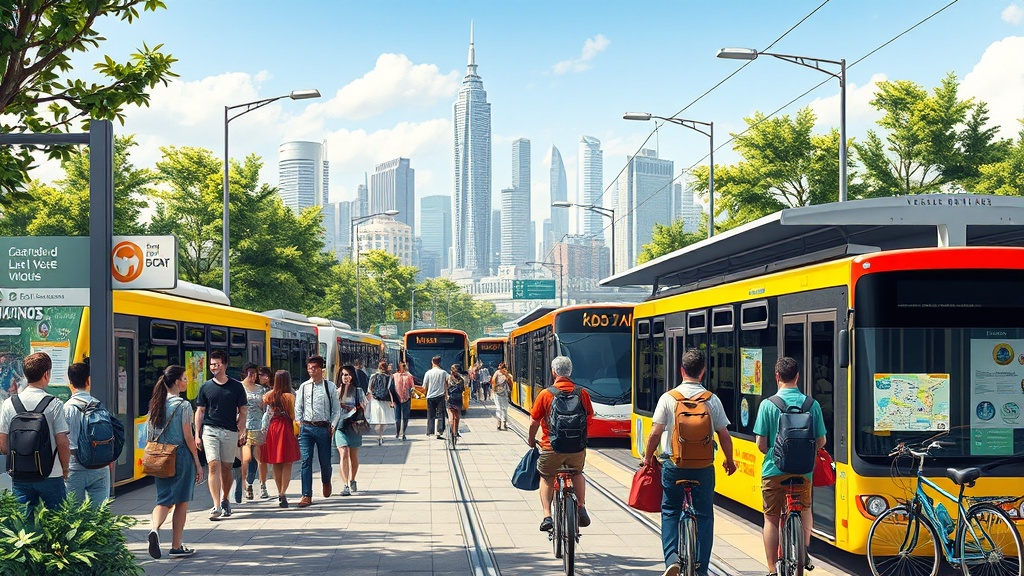
Moscow, the capital city of Russia, boasts one of the most extensive and efficient public transportation systems in the world. With a combination of metro, buses, and trains, the city offers a reliable and affordable way to navigate its vast urban landscape. This article delves into the various modes of public transport available in Moscow, their fare structures, and essential tips for daily travel.
The Moscow Metro
The Moscow Metro is renowned for its efficiency, cleanliness, and stunning architecture. Opened in 1935, it has grown to encompass 12 lines and over 230 stations, making it one of the busiest metro systems globally.
Key Features of the Metro
- Frequency and Coverage: Trains run frequently, with intervals of 2-3 minutes during peak hours. The metro covers a vast area, connecting key districts and suburbs, making it a convenient option for both residents and tourists.
- Architectural Marvels: Many metro stations are designed in a unique style, showcasing Soviet-era art and architecture. Stations like Komsomolskaya and Mayakovskaya are particularly famous for their ornate designs.
- Accessibility: While many stations are equipped with escalators and elevators, not all are fully accessible. It’s advisable to check accessibility options in advance if needed.
Fare Structure
The fare system for the Moscow Metro is straightforward. As of 2023, a single ride costs a fixed amount, regardless of the distance traveled. Passengers can purchase a single ticket or opt for a Troika card, a rechargeable smart card that offers discounts for multiple rides.
- Single Ticket: Valid for one ride on the metro.
- Troika Card: Can be loaded with multiple rides or travel passes, providing a more economical option for frequent travelers. The card can also be used on buses and trams.
Buses and Trolleys
Moscow's bus and trolleybus networks complement the metro system, providing extensive coverage throughout the city.
Bus System
- Routes and Frequency: The bus network includes hundreds of routes, serving areas not covered by the metro. Buses generally run from early morning until late at night, with some routes operating 24 hours.
- Types of Buses: The fleet includes standard buses, articulated buses, and mini-buses, catering to different passenger volumes.
Trolleybuses
Trolleybuses are an eco-friendly alternative to traditional buses, powered by overhead wires. They operate on many of the same routes as buses and are known for their reliability.
Fare Structure
The fare for buses and trolleybuses is the same as the metro when using a Troika card. A single ride ticket can also be purchased, but it is more economical to use the Troika card for multiple rides.
Commuter Trains
In addition to the metro, Moscow has an extensive network of commuter trains, known as the Moscow Central Circle (MCC) and suburban trains. These trains connect the city center with outlying districts and neighboring cities.
Moscow Central Circle (MCC)
- Overview: The MCC is a circular railway line that connects various metro lines and key transport hubs, making it easier to transfer between different modes of transport.
- Fare Structure: The fare for the MCC is similar to that of the metro, and the Troika card can be used for travel.
Suburban Trains
Suburban trains serve areas beyond the city limits, providing a vital link for commuters traveling to and from the suburbs. These trains are generally less frequent than metro services but are an essential part of the transportation network.
Tips for Daily Travel
- Plan Your Route: Utilize maps and apps to plan your journey in advance. The metro and bus systems are well-marked, and many stations have English signage.
- Travel Off-Peak: If possible, avoid traveling during rush hours (typically 8-10 AM and 5-7 PM) to enjoy a more comfortable ride.
- Keep Your Ticket Handy: Always keep your ticket or Troika card accessible, as ticket inspections can occur at any time.
- Stay Aware of Your Surroundings: While public transport is generally safe, it’s wise to remain vigilant, especially in crowded areas.
- Use the Escalators Properly: Stand on the right side of escalators to allow others to pass on the left, a common courtesy in busy metro stations.
Moscow's public transportation system is a vital part of the city's infrastructure, offering an efficient and cost-effective way to explore the capital. With its extensive network of metro, buses, and trains, navigating Moscow is both convenient and accessible for everyone.