
Munich Germany
First Month
Public Transportation System in Munich, Germany
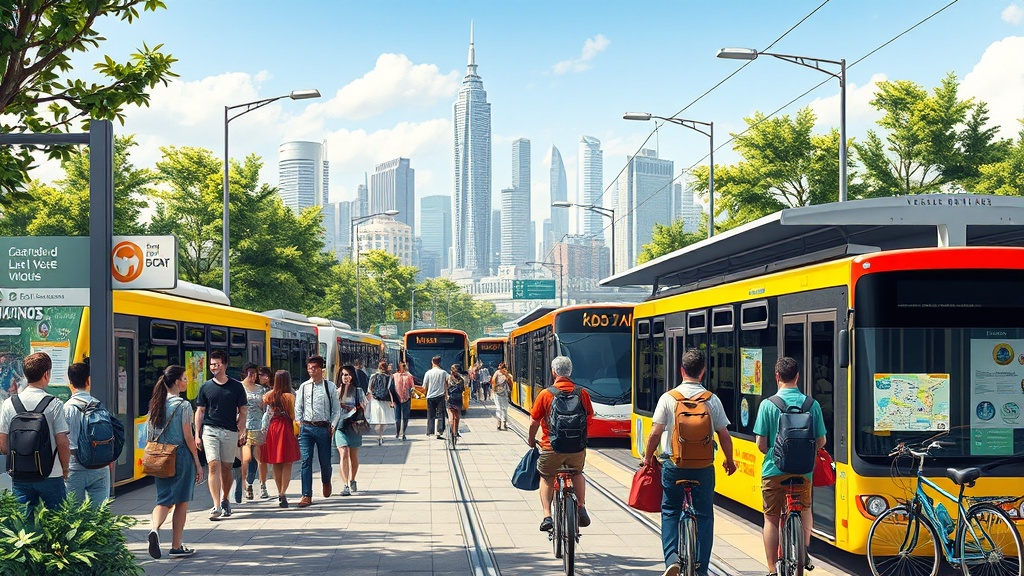
Munich, the capital of Bavaria, boasts a highly efficient and well-integrated public transportation system that makes navigating the city and its surroundings both convenient and affordable. The system includes buses, trams, the U-Bahn (metro), and the S-Bahn (suburban trains), all managed by the Münchner Verkehrsgesellschaft (MVG) and the Bayerische Eisenbahngesellschaft (BEG). This article provides an in-depth look at the various modes of transport, fare structures, and tips for daily travel in Munich.
Modes of Transportation
U-Bahn (Metro)
The U-Bahn is Munich's underground metro system, consisting of 8 lines that cover a vast network across the city. The U-Bahn is known for its punctuality and frequency, with trains running every 5 to 10 minutes during peak hours. Key features include:
- Lines: The U-Bahn has lines designated by numbers (U1 to U8) and is color-coded for easy navigation.
- Stations: Major stations include Marienplatz, Sendlinger Tor, and Hauptbahnhof, connecting to various tram and bus lines.
- Accessibility: Most U-Bahn stations are equipped with elevators and ramps, making them accessible for individuals with mobility challenges.
S-Bahn (Suburban Train)
The S-Bahn serves as the suburban train network, connecting Munich with surrounding towns and cities. It consists of 10 lines, identified by the letter "S" followed by a number (S1 to S8). Key aspects include:
- Coverage: The S-Bahn extends to areas such as Dachau, Erding, and Starnberg, making it ideal for commuters and day-trippers.
- Frequency: Trains typically run every 10 to 20 minutes, depending on the time of day and line.
- Integration: The S-Bahn connects seamlessly with the U-Bahn, trams, and buses, allowing for easy transfers.
Trams
Munich's tram network is one of the largest in Europe, featuring 12 lines that traverse the city. Trams are a popular mode of transport for both locals and tourists, providing a scenic way to explore the city. Notable points include:
- Routes: Tram lines are numbered and cover key areas, including the city center and residential neighborhoods.
- Frequency: Trams run frequently, with intervals of 5 to 15 minutes, depending on the line and time of day.
- Comfort: Trams are spacious and equipped with low floors for easy access.
Buses
The bus network in Munich complements the U-Bahn, S-Bahn, and tram systems, providing service to areas not covered by rail. Key features include:
- Coverage: Buses operate on numerous routes, connecting residential areas, schools, and shopping districts.
- Night Service: Night buses run on weekends and public holidays, ensuring transportation options are available even late at night.
- Accessibility: Most buses are equipped with low floors and designated spaces for wheelchairs and strollers.
Fare Structure
Munich's public transportation fare system is based on zones, with the city divided into several fare zones (A, B, and C). The fare you pay depends on the number of zones you travel through. Here’s a breakdown of the fare structure:
- Single Ticket: Valid for one journey within the selected zones. Transfers are allowed within a specified time frame.
- Day Ticket: Offers unlimited travel within the selected zones for one day. Ideal for tourists and those planning multiple trips.
- Group Ticket: Allows up to five people to travel together within the selected zones for a single fare.
- Monthly and Annual Passes: For regular commuters, monthly and annual passes provide unlimited travel within the selected zones at a reduced rate.
Tickets can be purchased at ticket machines located in U-Bahn and S-Bahn stations, as well as on trams and buses. It is essential to validate your ticket before boarding, especially for single and day tickets.
Tips for Daily Travel
Plan Your Route: Utilize the MVG app or printed maps available at stations to plan your journey. The app provides real-time information on schedules and delays.
Travel Off-Peak: If possible, travel during off-peak hours to avoid crowded trains and buses. Peak hours typically occur on weekdays from 7 AM to 9 AM and 4 PM to 6 PM.
Keep Your Ticket Handy: Always keep your ticket accessible, as random inspections are common. Fines for traveling without a valid ticket can be substantial.
Use Bicycles: Munich is a bike-friendly city, and many public transport options allow bicycles. Consider combining cycling with public transport for a more flexible travel experience.
Stay Informed: Follow local news and updates regarding public transport, especially during holidays or events that may affect service.
Language: While many signs and announcements are in German, most staff members speak English. Don’t hesitate to ask for assistance if needed.
By understanding the public transportation system in Munich, you can navigate the city with ease, making the most of your time in this vibrant Bavarian capital.