
New York City USA
First Month
The Comprehensive Guide to New York City’s Public Transportation System
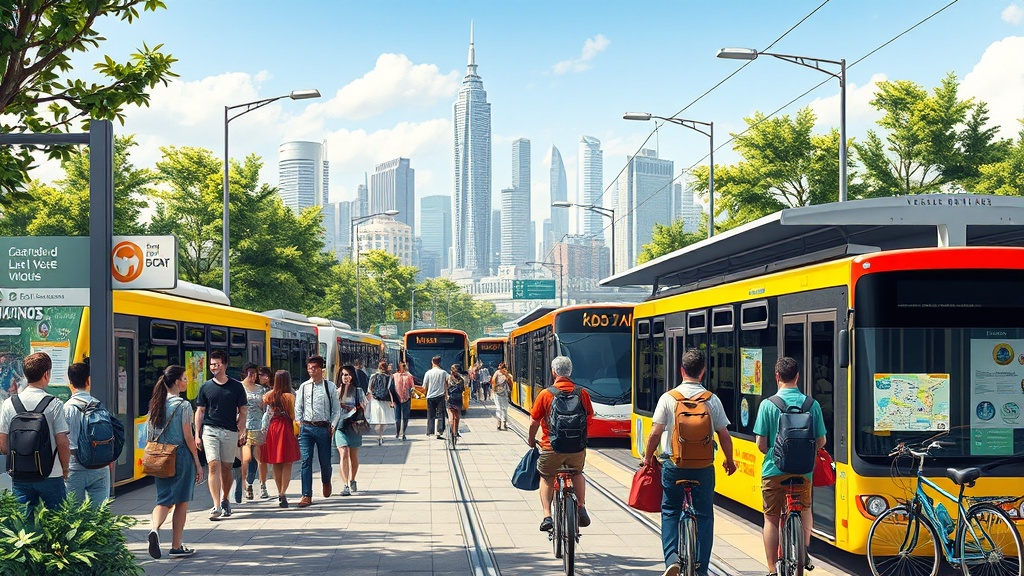
New York City, often referred to as the Big Apple, boasts one of the most extensive and efficient public transportation systems in the world. With a myriad of options including buses, subways, and trains, navigating the city can be both convenient and cost-effective. This guide will delve into the various modes of transportation available, fare structures, and essential tips for daily travel.
Overview of Public Transportation in NYC
The New York City public transportation system is primarily managed by the Metropolitan Transportation Authority (MTA). It encompasses:
- Subway: The backbone of NYC’s transit system, connecting all five boroughs.
- Buses: Covering areas not served by the subway, providing essential links throughout the city.
- Commuter Trains: Connecting NYC to surrounding suburbs and regions.
Subway System
Routes and Coverage
The NYC subway system consists of 24 lines and over 470 stations, making it one of the largest in the world. The subway operates 24/7, with varying frequencies depending on the time of day. Key lines include:
- 1, 2, 3: Serving Manhattan’s West Side.
- 4, 5, 6: Running along the East Side.
- A, C, E: Connecting to Brooklyn and Queens.
- N, Q, R, W: Serving Midtown and Lower Manhattan.
Fare Structure
As of October 2023, the standard fare for a single subway ride is $2.75. Here are the fare options:
- Single Ride: $2.75
- MetroCard: Refillable card that can be used for both subway and bus rides.
- Unlimited Ride MetroCard:
- 7-Day Pass: $33
- 30-Day Pass: $127
Bus System
Routes and Coverage
The NYC bus system operates over 300 routes, providing essential service to areas not accessible by subway. Buses are equipped with accessibility features and run frequently, especially during peak hours. Key bus services include:
- Local Buses: Stop at every designated stop.
- Express Buses: Faster service with fewer stops, primarily for commuters traveling to Manhattan.
Fare Structure
The bus fare is the same as the subway fare:
- Single Ride: $2.75
- MetroCard: Can be used for bus rides.
- Unlimited Ride MetroCard: Same options as the subway.
Commuter Trains
Routes and Coverage
Commuter trains, operated by the MTA’s Long Island Rail Road (LIRR) and Metro-North Railroad, connect NYC to surrounding areas in Long Island, Westchester, and Connecticut. Key lines include:
- LIRR: Services from Penn Station to various Long Island destinations.
- Metro-North: Services from Grand Central Terminal to northern suburbs.
Fare Structure
Commuter train fares vary based on distance and time of travel. A one-way ticket can range from $5.00 to over $20.00. Discounts are available for:
- Off-Peak Travel: Lower fares during non-rush hours.
- Monthly Passes: For regular commuters, offering significant savings.
Tips for Daily Travel
Plan Your Route: Use apps like Google Maps or the MTA’s own app to plan your journey. They provide real-time updates and route options.
Stay Informed: Check the MTA website or social media for service changes, especially during weekends and holidays.
Use a MetroCard: Purchase a MetroCard at subway stations or convenience stores. It’s the most convenient way to pay for rides.
Be Mindful of Rush Hours: Peak hours (7-9 AM and 5-7 PM) can be crowded. If possible, travel during off-peak times for a more comfortable experience.
Keep Your Belongings Secure: Always be aware of your surroundings and keep your belongings close, especially in crowded areas.
Accessibility Options: Most subway stations and buses are equipped for individuals with disabilities. Check the MTA website for specific accessibility information.
Safety First: While NYC is generally safe, it’s wise to stay alert, especially late at night. Use well-lit areas and avoid empty subway cars.
Explore Alternative Routes: Sometimes, taking a bus instead of the subway (or vice versa) can save time or provide a more scenic route.
Download Useful Apps: Consider downloading apps like Citymapper or Transit for real-time transit information and updates.
Enjoy the Ride: NYC’s public transportation is not just a means to get from point A to B; it’s an experience. Take in the sights, sounds, and the diverse culture of the city while you travel.
By understanding the various options available and utilizing the tips provided, navigating New York City’s public transportation system can be a seamless and enjoyable experience. Whether you’re a local or a visitor, the subway, buses, and commuter trains offer a reliable way to explore the vibrant city.