
Rome Italy
First Month
Exploring the Public Transportation System in Rome, Italy
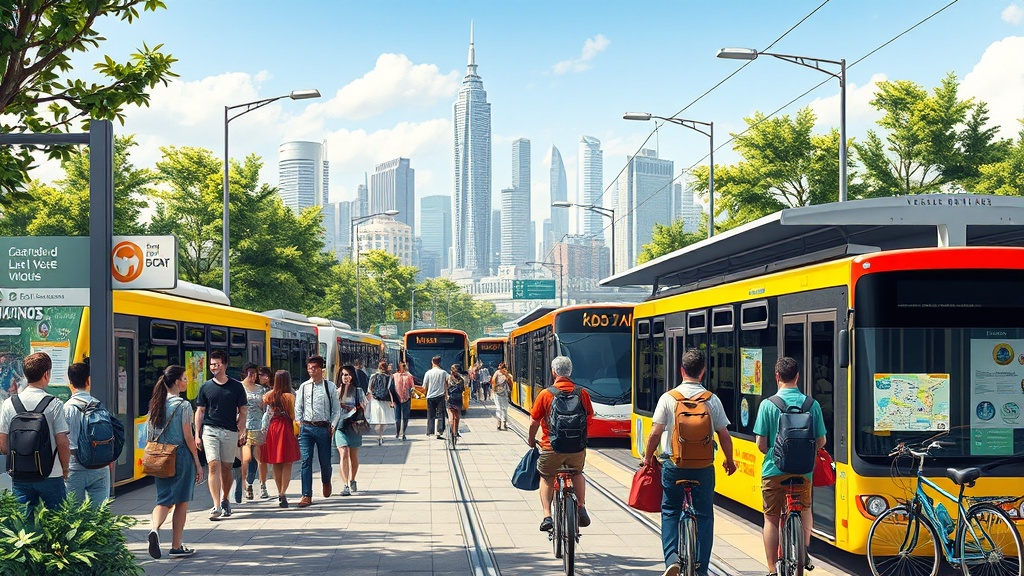
Rome, the Eternal City, is not only famous for its rich history and stunning architecture but also for its extensive public transportation system. Navigating the city can be a delightful experience, thanks to the various options available, including buses, the metro, and trains. This guide will provide you with essential information about each mode of transport, fare structures, and tips for daily travel in Rome.
Overview of Public Transportation in Rome
Rome's public transportation is managed primarily by ATAC (Agenzia per i Trasporti Autoferrotranviari del Comune di Roma), which oversees buses, trams, and the metro system. Additionally, Trenitalia operates regional and intercity train services that connect Rome with other cities in Italy.
Buses
The bus network in Rome is extensive, covering the entire city and its suburbs. With over 350 routes, buses are a convenient way to reach various neighborhoods and attractions.
Frequency and Hours: Buses generally run from early morning until midnight, with some night services available. During peak hours, buses can arrive every 5 to 10 minutes, while off-peak times may see longer waits.
Accessibility: Most buses are equipped with low floors for easy access, making them suitable for passengers with reduced mobility.
Metro
Rome's metro system consists of three lines: Line A (orange), Line B (blue), and Line C (green).
Coverage: The metro primarily serves the central areas of Rome, connecting key locations such as the Vatican, Termini Station, and the Colosseum. Line C is still expanding, with plans to reach more areas in the future.
Frequency and Hours: The metro operates from 5:30 AM to 11:30 PM on weekdays, with extended hours on weekends. Trains typically run every 3 to 10 minutes, depending on the time of day.
Trains
Trenitalia operates regional and intercity trains that connect Rome with other major cities in Italy, such as Florence, Milan, and Naples.
Main Stations: The primary train station in Rome is Termini, which serves as a hub for both national and international travel. Other important stations include Tiburtina and Ostiense.
Regional Services: Regional trains are an excellent option for day trips to nearby attractions, such as Tivoli or Ostia Antica.
Fare Structure
Rome's public transportation system uses a unified fare structure, making it easy for passengers to navigate the various modes of transport.
Ticket Types: The most common ticket is the BIT (Biglietto Integrato a Tempo), which allows for 100 minutes of travel on buses, trams, and the metro. There are also daily passes (CIS) and weekly passes available for frequent travelers.
Pricing: As of October 2023, a single BIT ticket costs €1.50, while a daily pass is priced at €7.00. The weekly pass is available for €24.00. Children under 10 travel for free when accompanied by an adult.
Purchasing Tickets: Tickets can be purchased at vending machines located in metro stations, newsstands, and authorized retailers. It is essential to validate your ticket before boarding to avoid fines.
Tips for Daily Travel
Plan Your Route: Utilize maps and apps to plan your journey in advance. Knowing which bus or metro line to take can save you time and confusion.
Travel Off-Peak: If possible, travel during off-peak hours to avoid crowded buses and trains. Early mornings and late evenings are generally less busy.
Keep Your Belongings Secure: Like many major cities, pickpocketing can occur in crowded areas. Keep your belongings secure and be aware of your surroundings.
Use Contactless Payment: Some metro stations and buses accept contactless payment methods, making it easier to pay for your fare without needing to purchase a physical ticket.
Stay Updated: Check for any service changes or disruptions, especially during holidays or strikes, which can affect public transportation schedules.
Explore on Foot: While public transportation is efficient, many of Rome's attractions are within walking distance of each other. Combining walking with public transport can enhance your experience of the city.
By understanding the public transportation system in Rome, you can navigate the city with ease and enjoy all that it has to offer. Whether you choose to hop on a bus, ride the metro, or take a train to a nearby destination, Rome's public transport is designed to make your travel experience as smooth as possible.