
San Francisco Bay Area USA
First Month
Public Transportation System in the San Francisco Bay Area
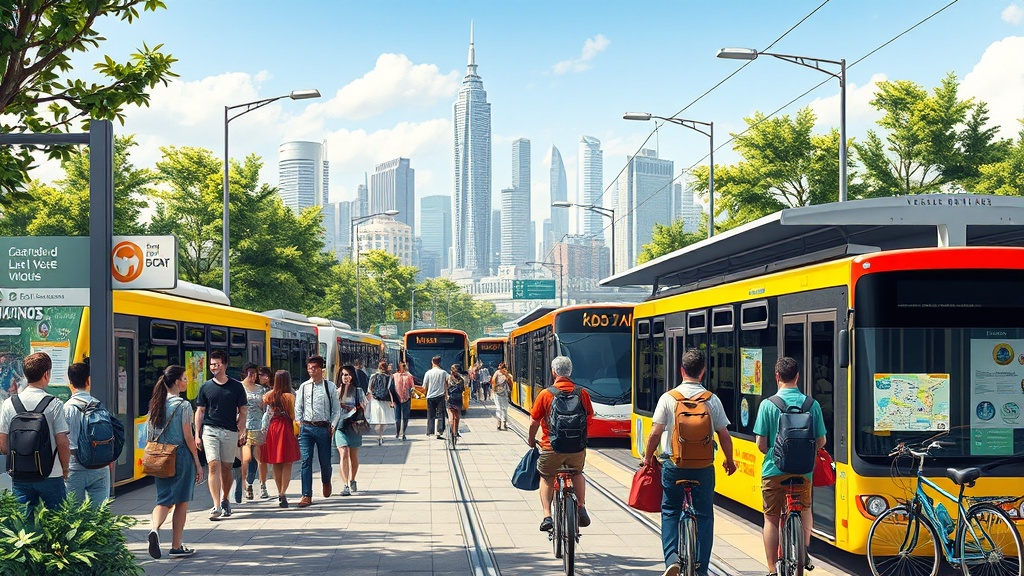
The San Francisco Bay Area boasts a comprehensive and diverse public transportation system that caters to millions of residents and visitors. With various options including buses, metro, and trains, navigating this vibrant region is both convenient and efficient. This article delves into the key components of the Bay Area's public transportation, fare structures, and essential tips for daily travel.
Overview of Public Transportation Options
Buses
The Bay Area is served by multiple bus systems, each providing extensive coverage across the region:
San Francisco Municipal Transportation Agency (SFMTA) operates Muni buses, which are the backbone of public transit within San Francisco. Muni buses connect neighborhoods, major attractions, and transit hubs, making them a popular choice for both locals and tourists.
AC Transit serves the East Bay, connecting cities like Oakland, Berkeley, and Fremont. AC Transit operates a fleet of buses, including the popular Transbay service that links the East Bay to San Francisco.
SamTrans provides bus service in San Mateo County, connecting communities to key destinations, including the San Francisco International Airport (SFO).
Golden Gate Transit operates buses that connect Marin County to San Francisco and other parts of the Bay Area, offering a vital link for commuters.
Metro
The Bay Area's metro system is primarily represented by the Bay Area Rapid Transit (BART) system. BART is a rapid transit system that connects San Francisco with neighboring cities such as Oakland, Berkeley, and Fremont. With its extensive network of lines and stations, BART is an efficient option for both daily commuters and visitors traveling between the East Bay and San Francisco.
Trains
In addition to BART, the Bay Area is served by several commuter rail services:
Caltrain operates between San Francisco and San Jose, with stops in key cities along the Peninsula. This service is particularly popular among commuters traveling to Silicon Valley.
Amtrak provides intercity train services, including the Capitol Corridor, which connects the Bay Area to Sacramento and beyond. Amtrak's services are ideal for longer journeys and offer scenic views of the California landscape.
Fare Structures
Understanding the fare structures of the Bay Area's public transportation system is essential for efficient travel:
Buses
Muni: Fares for Muni buses are typically paid using a Clipper card, which offers discounted rates compared to cash payments. A single ride fare is generally around $3, with options for daily and monthly passes available.
AC Transit: Similar to Muni, AC Transit fares can be paid using a Clipper card. A single ride fare is approximately $2.50, with discounts for seniors and youth. AC Transit also offers day passes for unlimited travel within a 24-hour period.
SamTrans: Fares for SamTrans buses are around $2.50 for a single ride, with discounts available for seniors and persons with disabilities. Monthly passes are also offered for frequent travelers.
Metro
- BART: BART fares are calculated based on the distance traveled. A typical fare ranges from $2.00 to $10.00, depending on the starting and ending stations. Clipper cards can be used for seamless fare payment, and discounts are available for seniors, youth, and disabled riders.
Tips for Daily Travel
Get a Clipper Card: The Clipper card is a smart card that can be used across multiple transit agencies in the Bay Area, including Muni, BART, AC Transit, and Caltrain. It simplifies fare payment and offers discounts.
Plan Your Route: Utilize transit apps or maps to plan your journey. Real-time tracking is available for many bus and train services, allowing you to stay updated on arrival times.
Be Mindful of Peak Hours: Commuter traffic can significantly affect travel times, especially during rush hours. If possible, plan your trips outside of peak commuting times for a more comfortable experience.
Stay Informed: Keep an eye on service alerts and updates, especially during inclement weather or special events that may affect transit schedules.
Safety First: While public transportation is generally safe, it’s always wise to stay aware of your surroundings, especially during late-night travel.
Accessibility Options: Most transit services in the Bay Area are equipped to accommodate passengers with disabilities. Check for specific services and assistance available for those who need it.
Explore Multi-Modal Options: The Bay Area encourages the use of multiple modes of transportation. Consider combining bus, metro, and bike-sharing services for a more flexible travel experience.
The San Francisco Bay Area's public transportation system is designed to provide efficient and accessible travel options for everyone. With a variety of services and fare structures, navigating this dynamic region is both practical and user-friendly.