
Seattle USA
First Month
Public Transportation System in Seattle, USA
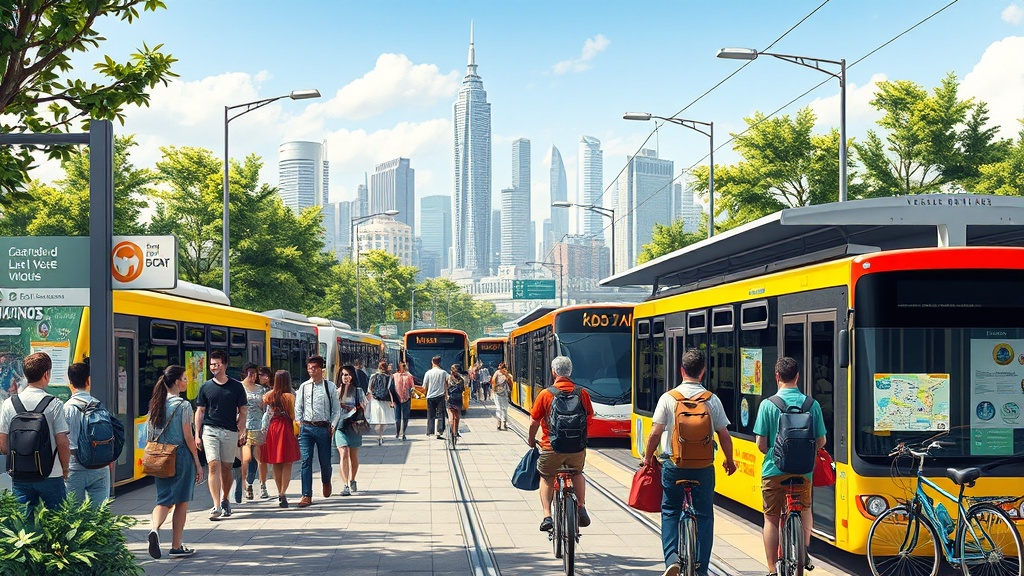
Seattle, known for its vibrant culture and stunning landscapes, boasts a comprehensive public transportation system that makes navigating the city both convenient and efficient. The public transit options include buses, light rail, and commuter trains, all designed to cater to the diverse needs of residents and visitors alike.
Bus Services
Seattle's bus system is operated by King County Metro Transit, which provides an extensive network of routes covering the city and surrounding areas. With over 200 bus routes, the system connects neighborhoods, business districts, and key attractions.
Key Features of the Bus System
- Frequency and Coverage: Buses run frequently, especially during peak hours, making it easy to find a ride. Many routes operate from early morning until late at night.
- Accessibility: All buses are equipped with features to assist passengers with disabilities, including low floors and designated seating.
- Real-Time Tracking: Metro Transit offers real-time tracking through various apps, allowing passengers to check bus arrival times and plan their journeys accordingly.
Fare Structure
The fare for bus rides is based on a flat rate system. Passengers can pay using cash, ORCA cards, or mobile payment options. As of October 2023, the standard fare is:
- Adults: $2.75 for a one-zone trip
- Youth (ages 6-18): $1.50
- Seniors and People with Disabilities: $1.00
Discounted fares are available for those who qualify, and transfers between buses are free for a limited time.
Light Rail System
Seattle's light rail, operated by Sound Transit, is a modern and efficient way to travel across the city and into neighboring areas. The Link Light Rail connects key locations, including the University of Washington, downtown Seattle, and Seattle-Tacoma International Airport.
Key Features of the Light Rail System
- Expanding Network: The light rail system is continually expanding, with new lines and stations being added to improve connectivity.
- Speed and Efficiency: Light rail trains run frequently and are less affected by traffic, making them a reliable option for commuters.
- Comfort: Trains are spacious and equipped with amenities such as bike racks and free Wi-Fi.
Fare Structure
The fare for the light rail is distance-based, with prices varying depending on how far you travel. As of October 2023, the fare structure is as follows:
- Adults: $2.25 to $3.50, depending on the distance traveled
- Youth: $1.50 to $2.00
- Seniors and People with Disabilities: $1.00 to $1.75
Passengers can use ORCA cards for seamless travel across different transit modes.
Commuter Trains
Sound Transit also operates commuter trains, including the Sounder train service, which connects Seattle with surrounding cities like Tacoma and Everett. This service is particularly popular among commuters traveling to and from work.
Key Features of the Commuter Train System
- Peak Service: Sounder trains primarily operate during peak commuting hours, making them ideal for those who work in Seattle but live in nearby areas.
- Comfortable Travel: Trains are equipped with comfortable seating and restrooms, providing a pleasant travel experience.
Fare Structure
Similar to the light rail, Sounder train fares are distance-based. As of October 2023, the fare ranges from:
- Adults: $3.50 to $5.50
- Youth: $1.75 to $2.75
- Seniors and People with Disabilities: $1.75 to $2.75
Tips for Daily Travel
Use the ORCA Card: The ORCA card is a reusable smart card that can be used on buses, light rail, and commuter trains. It offers convenience and savings on fares.
Plan Ahead: Utilize transit apps to check schedules and real-time updates. This can help you avoid long waits and plan your journey more effectively.
Know the Routes: Familiarize yourself with the bus and light rail routes that serve your area. Understanding the connections can save you time and make your travel smoother.
Travel Off-Peak: If possible, travel during off-peak hours to avoid crowded buses and trains. This can enhance your overall experience.
Stay Informed: Keep an eye on service alerts and updates, especially during inclement weather or special events that may affect transit schedules.
Respect the Rules: Follow the rules and etiquette of public transportation, such as giving up your seat for those in need and keeping noise levels down.
Seattle's public transportation system is designed to be user-friendly and efficient, making it an excellent option for both residents and visitors. With a variety of services available, navigating the city has never been easier.