
Sofia Bulgaria
Before Arrival
Discovering Sofia, Bulgaria: Culture and Climate
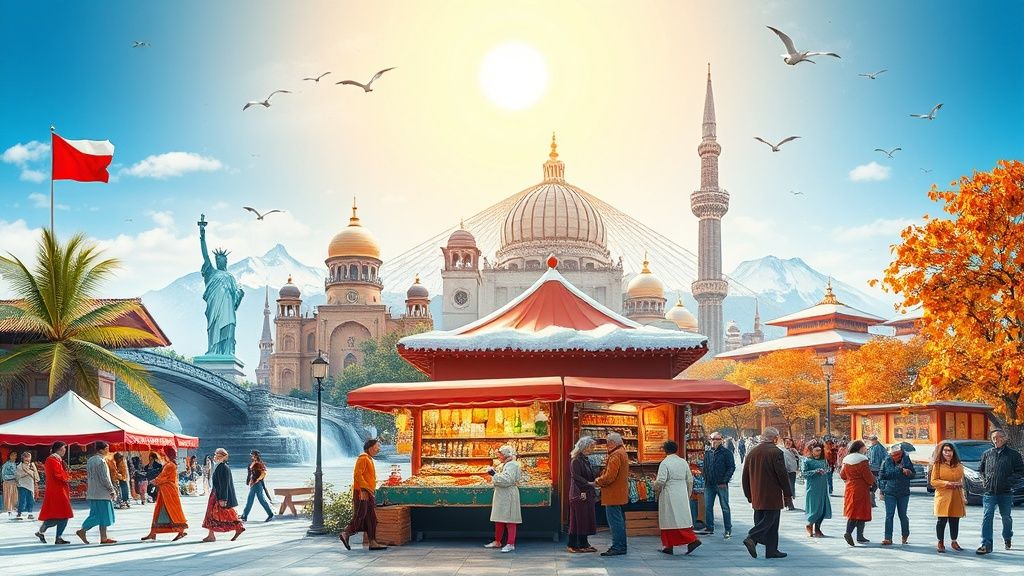
Sofia, the capital city of Bulgaria, is a vibrant blend of history, tradition, and modernity. Nestled at the foot of the Vitosha Mountain, Sofia boasts a rich cultural heritage and a diverse climate that shapes the lifestyle of its residents. Understanding the local customs and seasonal weather patterns can enhance your experience in this fascinating city.
Climate Overview
Sofia experiences a continental climate, characterized by four distinct seasons: spring, summer, autumn, and winter.
Spring (March to May)
Spring in Sofia is a beautiful time when nature awakens. March can still be chilly, with temperatures ranging from 0°C to 10°C (32°F to 50°F). As the season progresses, temperatures gradually rise, reaching an average of 20°C (68°F) in May. This period is marked by blooming flowers and vibrant greenery, making it a popular time for outdoor activities. Rainfall is moderate, so carrying an umbrella is advisable.
Summer (June to August)
Summer in Sofia is warm and sunny, with average temperatures ranging from 25°C to 30°C (77°F to 86°F). July is typically the hottest month, often seeing temperatures soar above 30°C (86°F). The city enjoys long daylight hours, making it ideal for exploring parks and outdoor cafes. However, occasional thunderstorms can occur, particularly in the late afternoon.
Autumn (September to November)
Autumn brings a stunning display of colors to Sofia, with leaves turning shades of red, orange, and yellow. September remains warm, with temperatures around 20°C (68°F), but by November, it can drop to around 5°C (41°F). This season is generally dry, but occasional rain showers can be expected. The crisp air and beautiful scenery make it a delightful time for walks in the city.
Winter (December to February)
Winters in Sofia can be cold, with temperatures often falling below 0°C (32°F). January is the coldest month, with average temperatures around -3°C (27°F). Snow is common, transforming the city into a winter wonderland. The festive season brings a unique charm, with Christmas markets and holiday decorations adorning the streets. Residents and visitors alike enjoy winter sports in the nearby Vitosha Mountain.
Cultural Customs
Sofia's culture is a rich tapestry woven from its historical influences, including Thracian, Roman, Byzantine, and Ottoman legacies. The city is known for its warm hospitality, and locals take pride in their traditions.
Greetings and Etiquette
When meeting someone in Sofia, a firm handshake is customary, accompanied by direct eye contact. Bulgarians often greet each other with a friendly "Zdraveyte" (Hello). It is polite to address people using their first name and a title, such as "Mr." or "Mrs."
Dining Etiquette
Dining is an important aspect of Bulgarian culture. When invited to a local's home, it is customary to bring a small gift, such as flowers or sweets. At the table, it is polite to wait for the host to begin the meal. Bulgarians often toast before drinking, saying "Nazdrave!" (Cheers). It is also common to leave a small amount of food on your plate to show that you are satisfied.
Festivals and Celebrations
Sofia hosts numerous festivals throughout the year, celebrating everything from music and art to traditional customs. One of the most significant events is the celebration of Baba Marta on March 1st, marking the arrival of spring. People exchange red and white yarn bracelets called "martenitsi" as a symbol of health and prosperity.
Conclusion
Sofia's unique blend of cultural richness and diverse climate offers a captivating experience for visitors and residents alike. Understanding the seasonal weather patterns and local customs can enhance your appreciation of this dynamic city. Whether you are exploring its historical sites or enjoying the vibrant street life, Sofia promises a memorable journey through its culture and climate.