
Stockholm Sweden
First Month
Exploring Stockholm's Public Transportation System
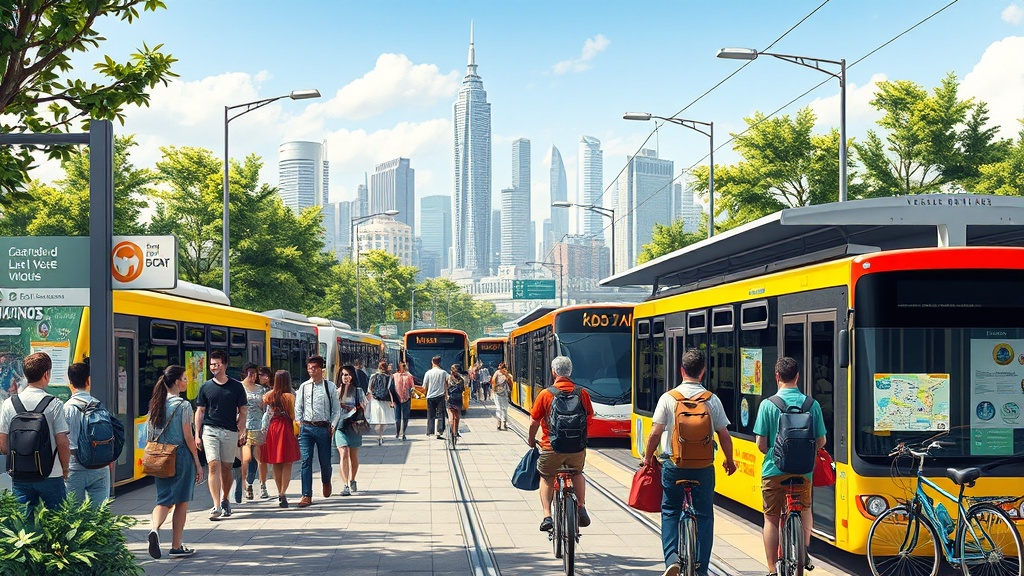
Stockholm, the capital of Sweden, boasts a highly efficient and well-integrated public transportation system that includes buses, metro (Tunnelbana), and trains. This comprehensive network makes it easy for residents and visitors alike to navigate the city and its surrounding areas.
Overview of the Public Transportation Network
The public transportation system in Stockholm is operated by SL (Stockholms Lokaltrafik), which manages all forms of public transport in the region. The network is designed to be user-friendly, with clear signage and information available in multiple languages.
Metro (Tunnelbana)
The Stockholm Metro, known as Tunnelbana, is one of the most iconic features of the city's public transport system. It consists of three main lines—green, blue, and red—serving 100 stations, many of which are adorned with stunning artwork.
- Coverage: The metro extends from the city center to the suburbs, making it a convenient option for both short and long-distance travel.
- Frequency: Trains run frequently, with intervals of 5 to 10 minutes during peak hours and slightly longer during off-peak times.
- Operating Hours: The metro operates from approximately 5 AM to midnight on weekdays, with extended hours on weekends.
Buses
Stockholm's bus network complements the metro system, providing access to areas not served by the underground.
- Routes: There are numerous bus routes that connect various neighborhoods, suburbs, and key points of interest.
- Frequency: Buses generally run every 10 to 20 minutes, depending on the route and time of day.
- Night Buses: For late-night travel, Stockholm offers a network of night buses that operate on weekends, ensuring that residents and visitors can travel safely after hours.
Trains
In addition to the metro and buses, Stockholm's public transportation system includes regional trains that connect the city to nearby towns and cities.
- Commuter Trains: The SL commuter trains serve the greater Stockholm area, making it easy to reach destinations like Uppsala and Nynäshamn.
- Intercity Trains: For longer journeys, intercity trains operated by other companies connect Stockholm to major cities across Sweden.
Fare Structure
Stockholm's fare system is based on a zone system, with different prices depending on the number of zones traveled.
Ticket Types:
- Single tickets are available for one-way travel within the selected zones.
- Travel cards can be purchased for unlimited travel within a specified time frame (24 hours, 72 hours, or 30 days).
- Children under the age of 7 travel for free when accompanied by an adult.
Payment Options:
- Tickets can be purchased at ticket machines, convenience stores, or via the SL app.
- Contactless payment options are also available on buses and at metro stations.
Discounts: Various discounts are offered for students, seniors, and groups, making public transport more accessible.
Tips for Daily Travel
Navigating Stockholm's public transportation system can be straightforward with a few helpful tips:
- Plan Your Journey: Utilize the SL app or website to plan your route, check schedules, and receive real-time updates on delays or changes.
- Validate Your Ticket: Always ensure your ticket is valid before boarding. Failure to do so may result in fines.
- Be Mindful of Peak Hours: If possible, avoid traveling during peak hours (7-9 AM and 4-6 PM) to enjoy a more comfortable journey.
- Stay Aware of Your Belongings: As with any public transport system, keep an eye on your belongings to avoid theft.
- Use the Right Entrance: Some metro stations have different entrances for different lines, so be sure to enter the correct one to avoid confusion.
With its extensive network and user-friendly services, Stockholm's public transportation system is an excellent way to explore the city and its surroundings. Whether you're commuting to work, visiting friends, or exploring the vibrant neighborhoods, the public transport options available make travel efficient and convenient.