
Toronto Canada
First Month
Exploring Toronto`s Public Transportation System
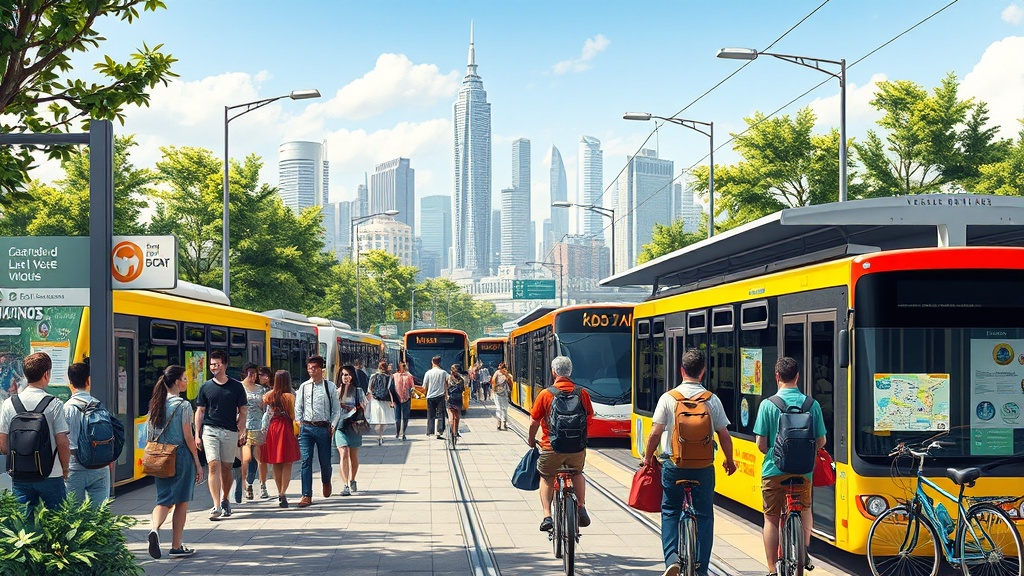
Toronto, Canada’s largest city, boasts a comprehensive public transportation system that makes navigating the urban landscape convenient and efficient. Whether you’re a local resident or a visitor, understanding the various transit options available can enhance your travel experience. This guide will delve into the bus, metro, and train services, fare structures, and essential tips for daily travel in Toronto.
Overview of Toronto`s Public Transportation
Toronto`s public transportation is primarily managed by the Toronto Transit Commission (TTC), which operates buses, streetcars, and the subway. Additionally, regional train services are provided by Metrolinx, which includes the GO Transit system, connecting Toronto with surrounding areas.
1. Bus Services
Toronto`s bus network is extensive, covering the entire city and providing access to neighborhoods not served by the subway.
- Types of Buses: The TTC operates various bus routes, including local, express, and community buses. Local buses stop at every stop, while express buses skip certain stops to provide faster service.
- Accessibility: Most buses are equipped with low floors and ramps, making them accessible for individuals with mobility challenges.
2. Metro (Subway) System
The Toronto subway system is one of the most efficient ways to travel across the city.
- Lines: The subway consists of four main lines:
- Line 1 (Yonge-University): Runs from Vaughan Metropolitan Centre in the north to Finch Station in the south.
- Line 2 (Bloor-Danforth): Extends from Kipling Station in the west to Kennedy Station in the east.
- Line 3 (Scarborough): Connects the eastern suburbs to the subway network.
- Line 4 (Sheppard): A shorter line that runs from Sheppard-Yonge Station to Don Mills Station.
- Frequency: Trains run frequently, especially during peak hours, making it a reliable option for commuters.
3. Streetcars
Toronto`s streetcar system is iconic and serves as a vital part of the city`s public transit.
- Routes: Streetcars primarily operate along major east-west routes, providing service in areas where subway access is limited.
- Integration: Streetcars are integrated with the bus and subway systems, allowing for seamless transfers.
4. GO Transit
For those traveling beyond Toronto, GO Transit offers regional train and bus services connecting the city to the Greater Toronto Area (GTA) and beyond.
- Train Services: GO trains operate on several lines, providing a comfortable and efficient way to reach suburban areas.
- Bus Services: GO buses complement the train services, offering additional routes to areas not served by rail.
Fare Structure
Understanding the fare structure is crucial for navigating Toronto`s public transportation system effectively.
1. Fare Types
- Single Ride: A single ride on the TTC costs CAD 3.35 for adults.
- Tokens and Tickets: Tokens and paper tickets are available for purchase at subway stations and select retailers.
- Day Pass: For unlimited travel within a single day, a Day Pass is available for CAD 13.50.
- Monthly Pass: Regular commuters can benefit from a monthly pass, which costs CAD 156.00 and allows unlimited travel for 30 days.
2. Discounts
- Students and Seniors: Reduced fares are available for students (CAD 2.25) and seniors (CAD 2.25).
- Children: Children under 12 can ride for free when accompanied by an adult.
3. Payment Methods
- Presto Card: The most convenient way to pay for transit is through the Presto card, a reloadable smart card that can be used on the TTC and GO Transit. Users can load funds online or at various locations throughout the city.
Tips for Daily Travel
Navigating Toronto`s public transportation system can be straightforward with a few helpful tips:
1. Plan Your Route
- TTC Website and App: Use the TTC website or mobile app to plan your route, check schedules, and receive real-time updates on service disruptions.
- Google Maps: Google Maps also provides transit directions, making it easy to find the best route.
2. Peak Hours
- Avoid Rush Hour: If possible, avoid traveling during peak hours (7-9 AM and 4-6 PM) to ensure a more comfortable journey.
3. Safety and Etiquette
- Stay Aware: Keep an eye on your belongings and be aware of your surroundings, especially in crowded areas.
- Give Up Your Seat: Offer your seat to those in need, such as the elderly, pregnant women, or individuals with disabilities.
4. Accessibility
- Accessible Transit: Most TTC services are accessible, but it’s advisable to check the accessibility options for specific routes in advance.
5. Weather Preparedness
- Dress Accordingly: Toronto experiences a range of weather conditions. Dress appropriately for the season, especially during winter when delays may occur due to snow.
By familiarizing yourself with Toronto`s public transportation system, you can navigate the city with ease and enjoy all that this vibrant metropolis has to offer. Whether you’re commuting to work, exploring neighborhoods, or visiting attractions, the TTC and GO Transit provide reliable options for every traveler.