
Vienna Austria
First Month
Public Transportation System in Vienna, Austria
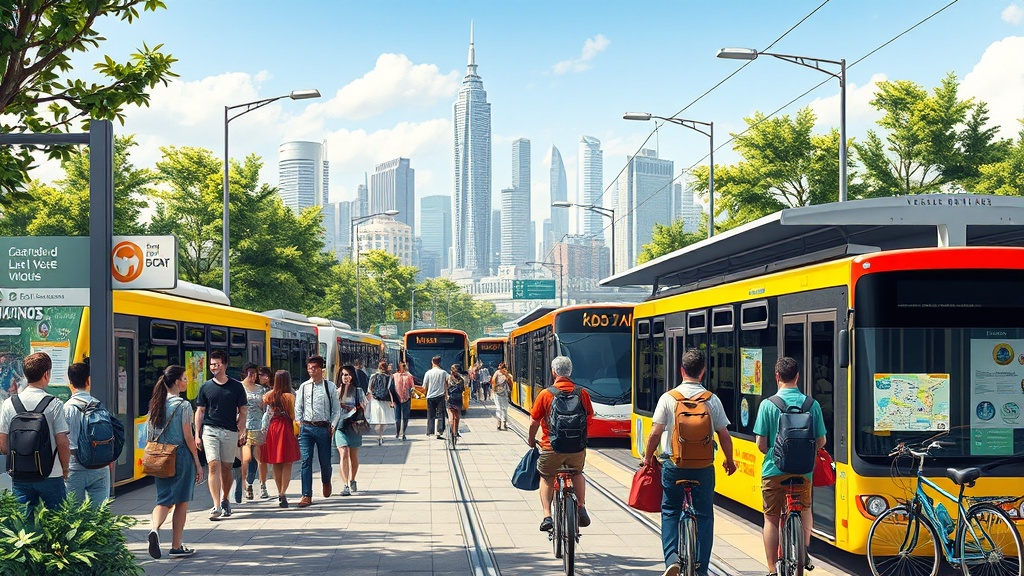
Vienna, the capital of Austria, boasts a highly efficient and well-integrated public transportation system that makes navigating the city both convenient and affordable. The system includes buses, trams, and the metro (U-Bahn), as well as regional trains, all operated by the Wiener Linien and other regional transport services. This article provides an in-depth look at the various options available, fare structures, and tips for daily travel in Vienna.
Overview of Public Transportation Options
Metro (U-Bahn)
The Vienna Metro, known as the U-Bahn, is one of the fastest ways to traverse the city. It consists of five lines: U1, U2, U3, U4, and U6, covering a vast network that connects key districts and attractions. The U-Bahn operates from approximately 5 AM until midnight, with extended hours on weekends and public holidays. Trains run frequently, especially during peak hours, ensuring minimal wait times for passengers.
Trams
Vienna's tram network is extensive and serves as a vital component of the city's public transport system. With over 30 lines, trams provide a scenic and efficient way to travel through various neighborhoods. Trams generally operate from early morning until around midnight, with some lines offering night service. The tram system is particularly useful for reaching areas that are not directly served by the U-Bahn.
Buses
Buses complement the metro and tram services, covering areas that may not be accessible by rail. The bus network includes numerous lines that operate throughout the city and its suburbs. Buses typically run from early morning until around midnight, with some lines providing night services. The bus system is especially beneficial for reaching destinations in the outer districts of Vienna.
Regional Trains
For those looking to explore beyond the city limits, Vienna is served by regional trains that connect to nearby towns and cities. The main hub for regional trains is the Wien Hauptbahnhof (Vienna Central Station), which offers connections to various destinations across Austria and neighboring countries. These trains are an excellent option for day trips or longer excursions.
Fare Structure
Vienna's public transportation system operates on a unified fare structure, making it easy for passengers to navigate pricing. The fare system is based on zones, with a single ticket covering travel within the core zone of the city. Here are the key fare options:
- Single Ticket: Valid for one journey within the designated zones. Transfers between different modes of transport (U-Bahn, tram, bus) are allowed within a specified time frame.
- Day Pass: Offers unlimited travel within the selected zones for one day. This option is ideal for tourists or residents who plan to use public transport multiple times in a day.
- Weekly and Monthly Passes: These passes provide unlimited travel for a week or a month, respectively, and are cost-effective for regular commuters.
- Vienna Card: A special tourist card that offers unlimited travel on public transport for 72 hours, along with discounts at various attractions and services throughout the city.
Tickets can be purchased at ticket machines located in metro stations, tram stops, and bus terminals, as well as at select shops. It is essential to validate your ticket before boarding, as failure to do so may result in fines.
Tips for Daily Travel
Plan Your Route: Utilize the Wiener Linien app or maps available at stations to plan your journey. The app provides real-time information on schedules and service disruptions.
Travel Off-Peak: If possible, travel during off-peak hours to avoid crowded trains and buses. Peak hours typically occur on weekdays from 7 AM to 9 AM and 4 PM to 6 PM.
Keep Your Ticket Handy: Always keep your validated ticket accessible, as ticket inspectors frequently check for valid fare. Fines for traveling without a valid ticket can be substantial.
Use the Bicycles: Vienna is a bike-friendly city, and many public transport stations offer bike parking facilities. Consider combining cycling with public transport for a more flexible travel experience.
Stay Informed: Keep an eye on service updates and potential disruptions, especially during weekends or holidays when maintenance work may occur.
Respect Local Etiquette: Be mindful of local customs, such as giving up your seat for elderly passengers and keeping noise levels down while on public transport.
Explore the Night Network: If you plan to stay out late, take advantage of the night bus services that operate on weekends, providing a safe and reliable way to return home.
Vienna's public transportation system is designed to be user-friendly and efficient, making it an excellent choice for both residents and visitors. With a variety of options and a straightforward fare structure, getting around the city is a seamless experience.