
Warsaw Poland
First Month
Public Transportation System in Warsaw, Poland
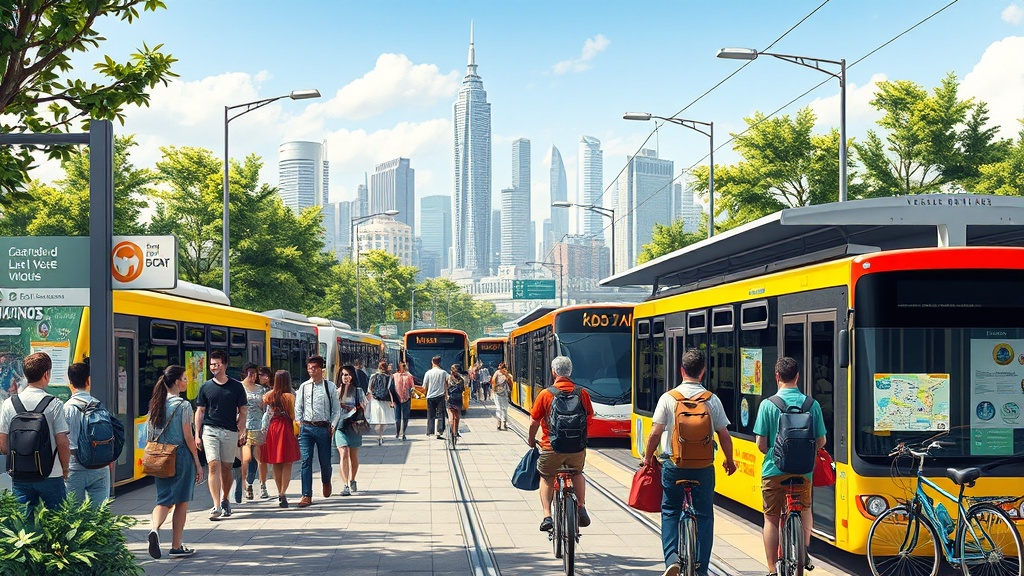
Warsaw, the capital city of Poland, boasts a comprehensive and efficient public transportation system that includes buses, trams, and a metro network. This system is designed to facilitate easy movement across the city, making it accessible for both residents and visitors. Below, we delve into the various modes of transport available, fare structures, and practical tips for navigating daily travel in Warsaw.
Modes of Transportation
Buses
The bus network in Warsaw is extensive, covering nearly every corner of the city. With over 200 routes, buses operate frequently, especially during peak hours. The buses are modern and equipped with real-time information displays, making it easy for passengers to know when the next bus will arrive.
Buses typically run from early morning until late at night, with some routes offering night services. The buses are numbered, and the route information is clearly displayed on the front and side of the vehicle.
Trams
Trams are another vital component of Warsaw's public transport system. The tram network consists of numerous lines that connect various districts, providing a reliable means of transport. Trams are particularly popular for short to medium distances and are known for their punctuality.
Similar to buses, trams operate from early morning until late at night, with night trams available on select routes. The tram stops are well-marked, and schedules are posted at each stop, allowing passengers to plan their journeys effectively.
Metro
The Warsaw Metro is a modern and efficient underground transport system that currently consists of two lines: Line M1 (North-South) and Line M2 (East-West). The metro is a fast way to traverse the city, especially during rush hours when surface transport can be congested.
The metro operates from early morning until around midnight, with trains running every few minutes during peak times. Stations are equipped with clear signage in both Polish and English, making it easy for non-native speakers to navigate.
Regional Trains
In addition to the city’s public transport, regional trains connect Warsaw to surrounding areas and other cities in Poland. These trains are operated by various companies and provide a convenient option for those looking to explore beyond the city limits.
Fare Structure
Warsaw's public transportation system operates on a unified fare structure, which applies to buses, trams, and the metro. Tickets can be purchased at ticket machines located at metro stations, on buses, and trams, as well as at various kiosks throughout the city.
Ticket Types
- Single Ticket: Valid for a single journey on any mode of transport for a specified duration (20 minutes for regular zones, 75 minutes for extended zones).
- Time Ticket: Allows unlimited travel within a specified time frame (e.g., 30 minutes, 90 minutes, or 24 hours).
- Long-Term Tickets: Monthly and quarterly passes are available for frequent travelers, offering significant savings compared to single tickets.
Discounts
Discounts are available for students, seniors, and children, making public transport more affordable for these groups. It is essential to carry valid identification to avail of these discounts.
Tips for Daily Travel
- Plan Your Route: Utilize mobile apps or maps to plan your journey in advance. Knowing your route can save time and reduce stress.
- Validate Your Ticket: Ensure that you validate your ticket before boarding. Failure to do so can result in fines.
- Be Aware of Peak Hours: Public transport can become crowded during peak hours (typically 7:00 AM - 9:00 AM and 4:00 PM - 6:00 PM). If possible, travel outside these times for a more comfortable experience.
- Stay Informed: Keep an eye on real-time updates displayed at stops and stations. This information can help you adjust your plans if there are delays or changes in service.
- Respect Local Etiquette: Give priority seating to those in need, such as the elderly and disabled. Maintain a quiet demeanor and avoid loud conversations on public transport.
By understanding the public transportation system in Warsaw, travelers can navigate the city with ease and efficiency, making the most of their time in this vibrant capital.