
Washington DC USA
First Month
Public Transportation System in Washington, D.C.
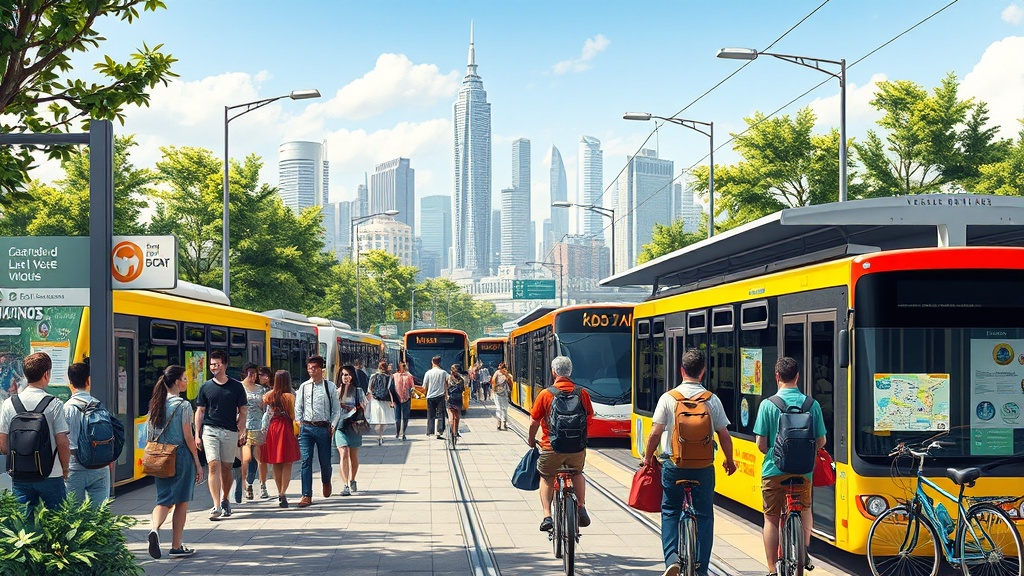
Washington, D.C., the capital of the United States, boasts a comprehensive public transportation system that includes buses, the Metro, and regional trains. This system is designed to facilitate easy movement throughout the city and its surrounding areas, making it an essential resource for residents and visitors alike.
Metro System
The Washington Metropolitan Area Transit Authority (WMATA) operates the Metrorail system, commonly known as the Metro. The Metro consists of six color-coded lines: Red, Blue, Orange, Yellow, Green, and Silver, which connect various neighborhoods, landmarks, and suburbs.
Metro Lines and Stations
- Red Line: Runs from Glenmont in Maryland to Shady Grove in Maryland, passing through key areas like Rockville, Silver Spring, and downtown D.C.
- Blue Line: Connects Largo Town Center in Maryland to Franconia-Springfield in Virginia, serving areas such as the National Mall and the Pentagon.
- Orange Line: Extends from New Carrollton in Maryland to Vienna in Virginia, with stops at major locations like Rosslyn and Ballston.
- Yellow Line: Runs from Greenbelt in Maryland to Huntington in Virginia, providing access to the National Mall and the Crystal City area.
- Green Line: Connects Greenbelt in Maryland to Branch Avenue in D.C., serving areas like Anacostia and the U Street Corridor.
- Silver Line: Extends from Wiehle-Reston East in Virginia to Largo Town Center, providing access to Dulles International Airport.
Fare Structure
Metro fares are based on the distance traveled and the time of day. As of October 2023, the fare structure is as follows:
- Peak Hours: Fares range from $2.25 to $6.00, depending on the distance.
- Off-Peak Hours: Fares range from $2.00 to $3.85.
- Children under 5: Ride free with a paying adult.
- Seniors and Persons with Disabilities: Reduced fares are available during off-peak hours.
Fares can be paid using a SmarTrip card, a rechargeable card that can be used for both Metro and bus services. SmarTrip cards can be purchased at Metro stations and select retail locations.
Bus System
The Metrobus system complements the Metrorail, providing extensive coverage throughout the city and into Maryland and Virginia. With over 300 routes, Metrobus serves areas that may not be directly accessible by the Metro.
Fare Structure
Metrobus fares are generally lower than Metrorail fares:
- Standard Fare: $2.00 for a one-way trip.
- Express Bus Fare: $4.25 for express routes.
- Children under 5: Ride free with a paying adult.
- Seniors and Persons with Disabilities: Reduced fares are available.
Passengers can also use the SmarTrip card for bus fares, making it convenient to transfer between different modes of transportation.
Regional Train Services
In addition to the Metro, Washington, D.C. is served by several regional train services, including Amtrak and Virginia Railway Express (VRE). These services connect D.C. to other major cities and suburbs.
Amtrak
Amtrak provides intercity rail service, connecting Washington, D.C. to cities across the Northeast Corridor and beyond. The main station, Union Station, is a hub for both Amtrak and Metro services.
Virginia Railway Express (VRE)
VRE operates commuter trains that connect D.C. to various locations in Northern Virginia. The service is particularly popular among commuters traveling from suburbs like Manassas and Fredericksburg.
Tips for Daily Travel
Plan Your Route: Use the WMATA trip planner to find the best routes and connections for your journey. This tool can help you navigate the Metro and bus systems efficiently.
Check Schedules: Metro and bus schedules can vary, especially on weekends and holidays. Always check the latest schedules to avoid long waits.
Avoid Rush Hour: If possible, travel outside of peak hours (weekdays from 7:00 AM to 9:30 AM and 4:00 PM to 6:30 PM) to enjoy a more comfortable ride.
Stay Aware of Announcements: Listen for announcements regarding service changes or delays, especially during inclement weather or maintenance work.
Use the SmarTrip Card: This card not only simplifies fare payments but also offers a discount on Metrobus fares compared to cash payments.
Be Mindful of Etiquette: Stand to the right on escalators, give up your seat to those in need, and keep noise levels down to ensure a pleasant experience for all passengers.
Explore Accessibility Options: Metro and Metrobus services are equipped with features for individuals with disabilities, including elevators, ramps, and designated seating.
Stay Safe: Be aware of your surroundings, especially during late-night travel. Use well-lit stations and avoid empty cars when possible.
By utilizing the extensive public transportation options available in Washington, D.C., residents and visitors can navigate the city efficiently while minimizing their environmental impact.